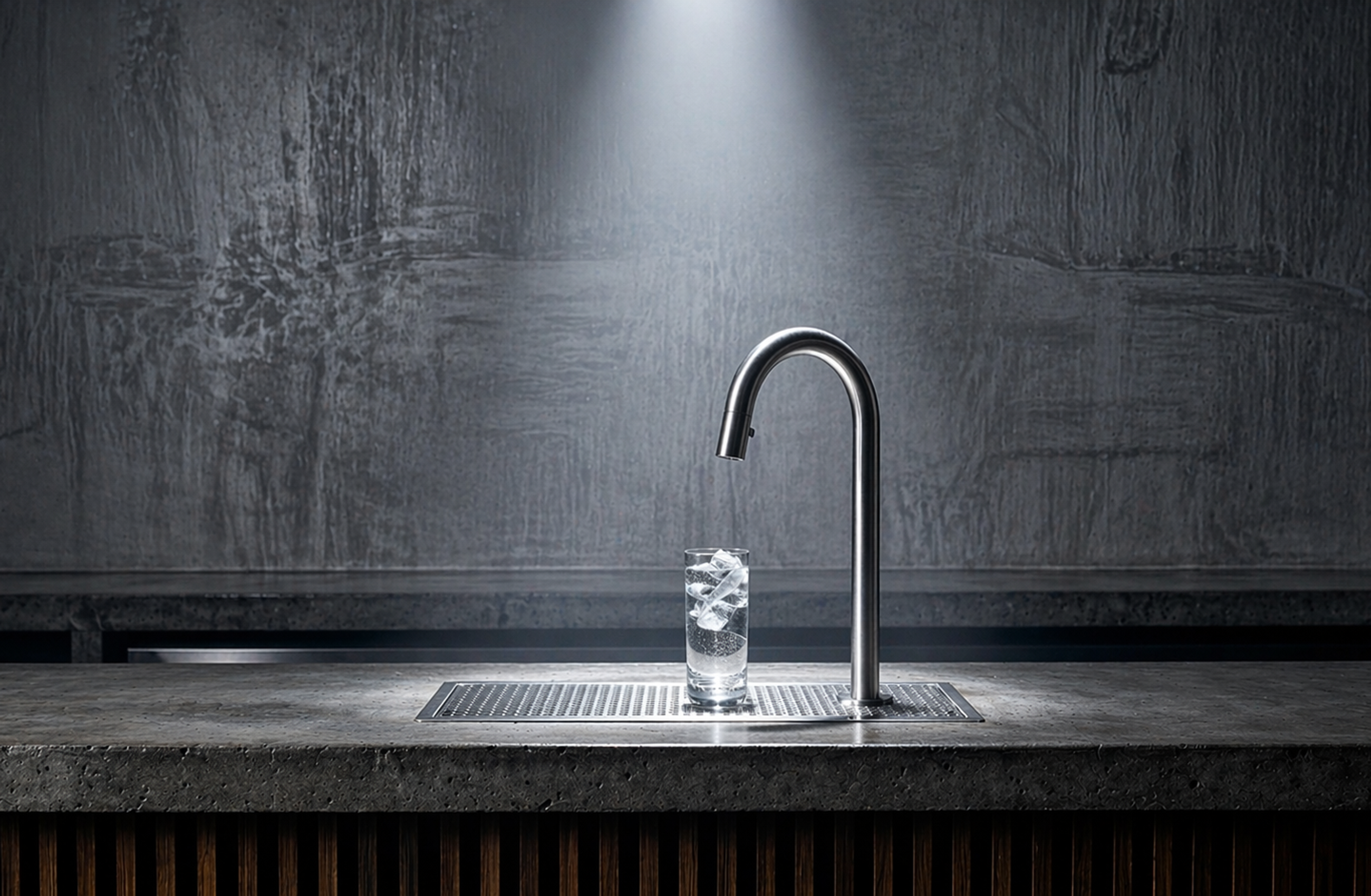
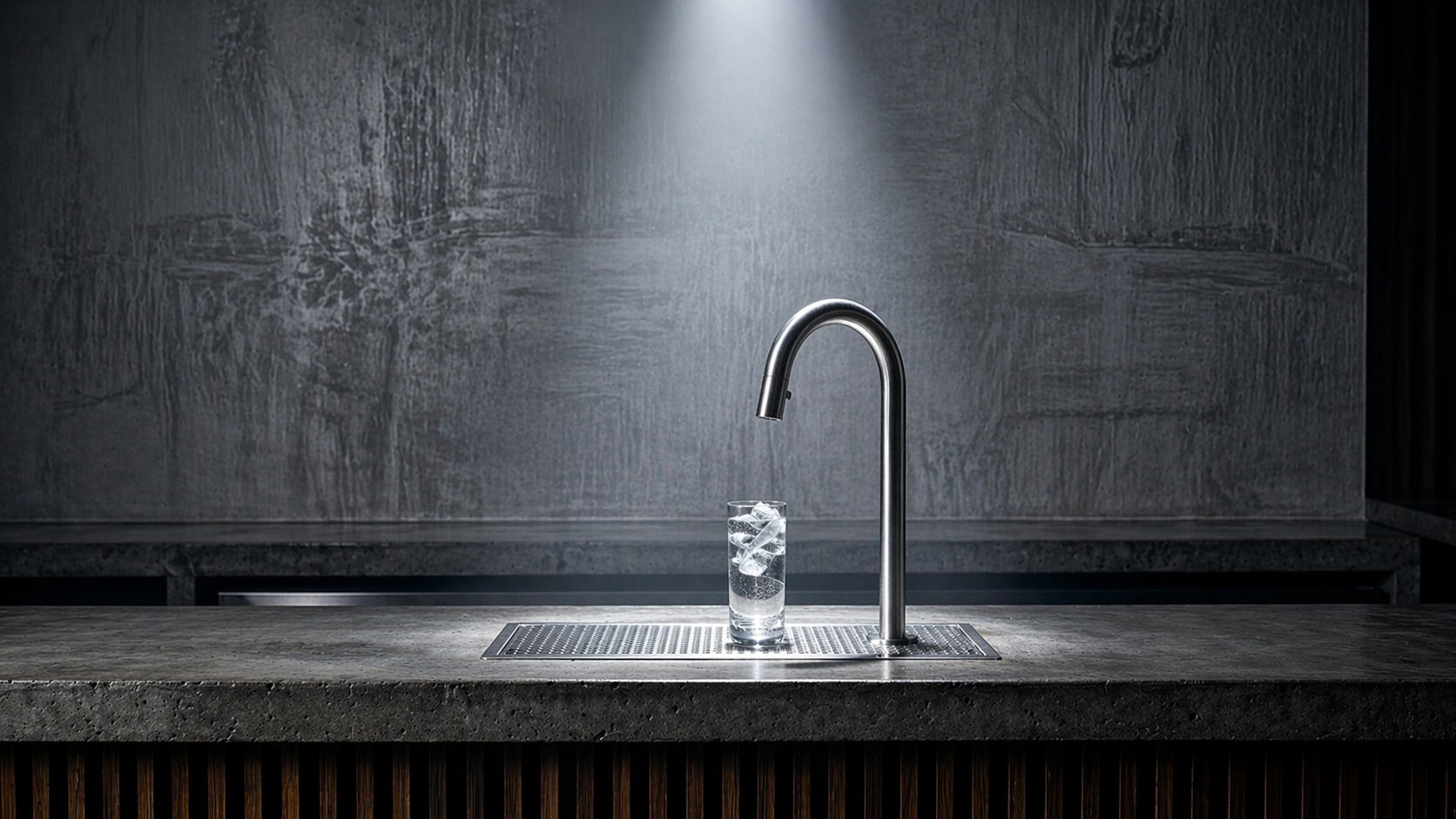
In 2026, the bar counter as we once knew it has vanished. The forest of backlit bottles the ultimate fetish of a bygone mixology erais yielding to batteries of sleek chrome taps. We have entered the age of Cocktails on Tap (kegged drinks), a revolution that promised speed and consistency, yet is now fueling an underground war with an unforeseen casualty: the death of brand loyalty.
THE GENESIS: A CORPORATE TROJAN HORSE
It all began with an operational necessity. Between 2023 and 2025, a chronic shortage of qualified staff brought the HoReCa sector to its knees. The major players' response was brutal and efficient: "If you can’t find a bartender who knows how to balance a Negroni, we’ll provide it in a keg. Perfect, cold, and instant".Multinationals invested millions in "legitimization" campaigns. They shouted from the rooftops that the liquid in the keg was the "Original," identical to the bottle, elevating the keg from a budget solution to a quality standard. With this move, the giants aggressively entered a market segment where consumers, despite ordering a specific drink, never had full certainty regarding the actual origin or quality of what the bar served in their glass. The result? They won the cultural battle, but triggered a lethal boomerang effect.
THE PARADOX OF TRANSPARENCY
By conditioning consumers to accept cocktails from a tap, major brands inadvertently dismantled the final bastion of their value: the ritual of the pour. Previously, the sight of a premium Gin bottle on the bar was the visual guarantee that justified a price tag of 12 or 15 euros.
Today, data reveals that 65% of consumers under 40 no longer specify a brand when ordering a draft drink, simply asking for the cocktail by name. Once the liquid flows from an anonymous line, the visual tether to the brand snaps. The 2026 consumer is a pragmatist: if the flavor is superior and the temperature is perfect, the prestige of the label becomes irrelevant.
THE "WHITE LABEL" INSURRECTION
This shift poses a grave threat to industry titans. Bar owners, having installed draft systems subsidized by multinationals, are now asking: "Why pay a brand premium if the customer never sees the bottle?".
The market is responding with force: the "White Label" cocktail sector bespoke batches crafted by third parties has surged by +22% in the past year. These producers offer "tailored" kegged cocktails with fresh, clarified ingredients and less sugar, allowing bars to market a "House Cocktail" with profit margins often double those of industrial products.
SUSTAINABILITY: THE DECISIVE BLOW
Logistics provided the final nail in the coffin. By 2026, the cost of glass disposal has become unsustainable. A single 20-liter keg replaces roughly 28 glass bottles, slashing transport-related $CO_2$ emissions by 40%. The keg has become a functional "utility," while the bottle is relegated to the realms of luxury and collectibles.
CONCLUSIONS: A FACELESS FUTURE?
Corporations successfully engineered a media frenzy to convince us that kegged drinks are "cool". However, they succeeded too well: in this mature market, brands are becoming irrelevant.
The challenge for the coming biennium will not be technological—systems are now perfected thanks to Nitro technology but emotional: reconnecting flavor to a name. In a world where everything pours from a tap, the winner will be whoever offers the best taste at the best price, leaving the giants to fight for an identity they helped hide beneath the counter.
The Stat to Watch: By the end of 2026, it is estimated that 40% of all aperitif drinks in Italy will be served via draft systems , representing a European market volume exceeding 2.5 billion euros.