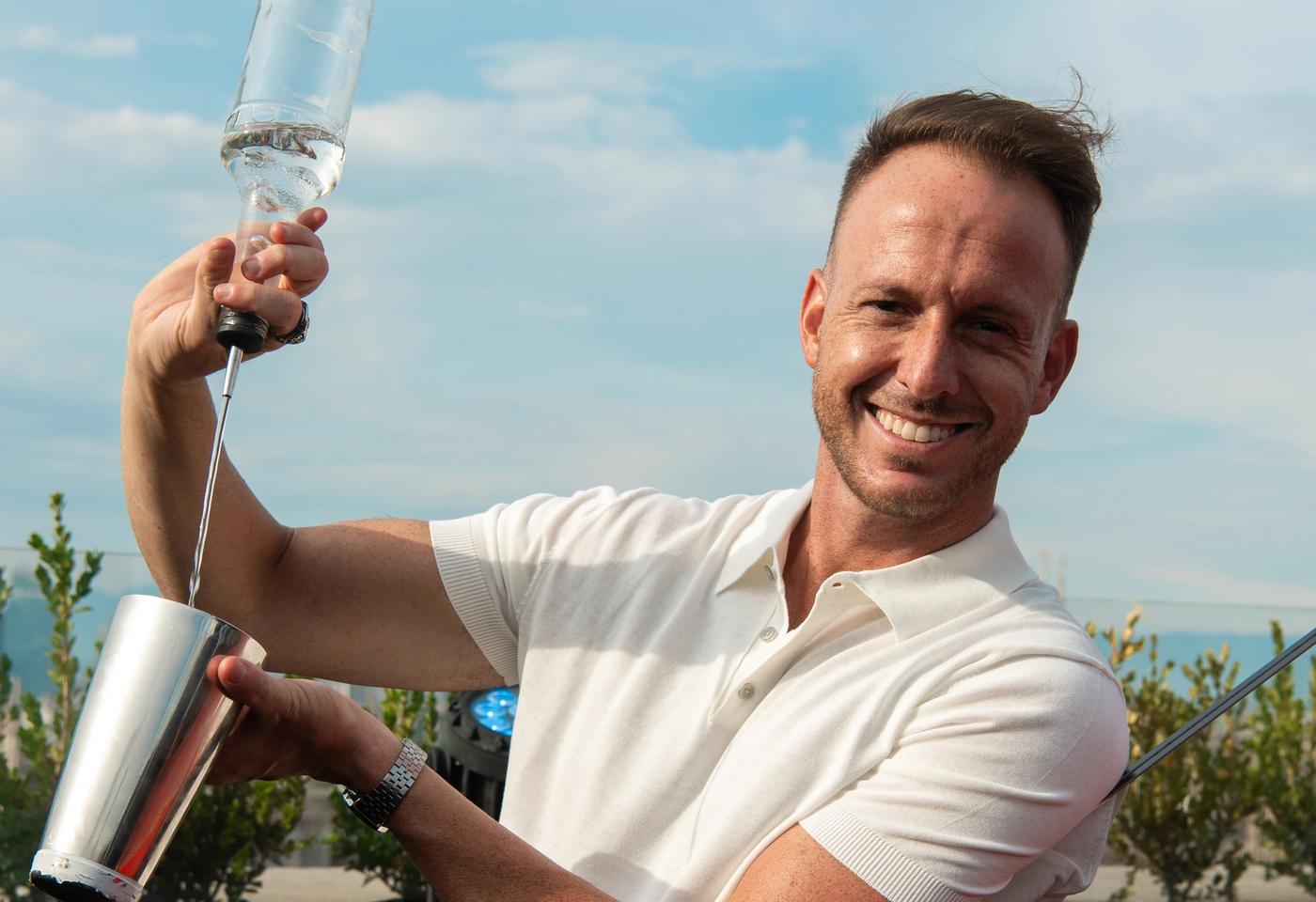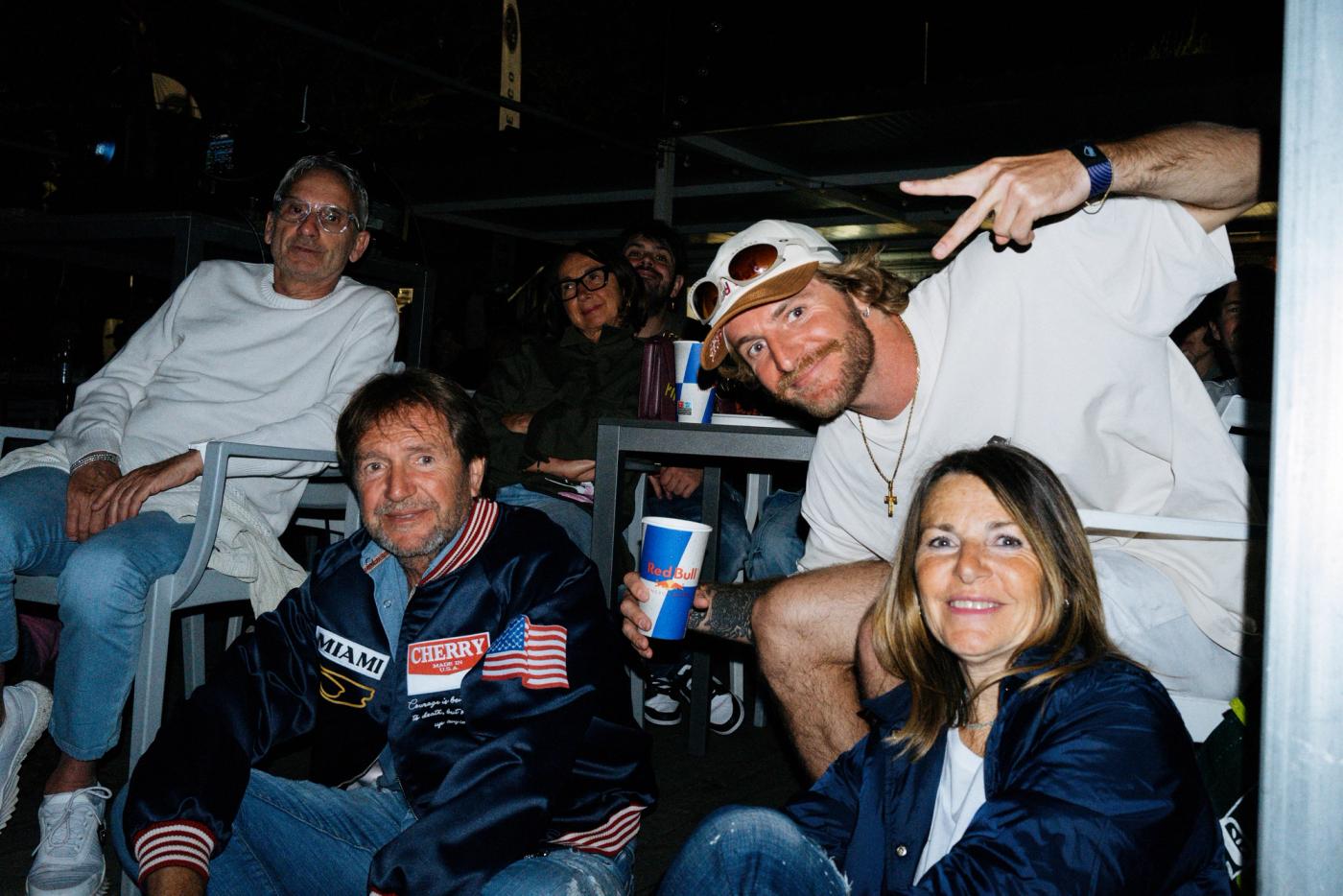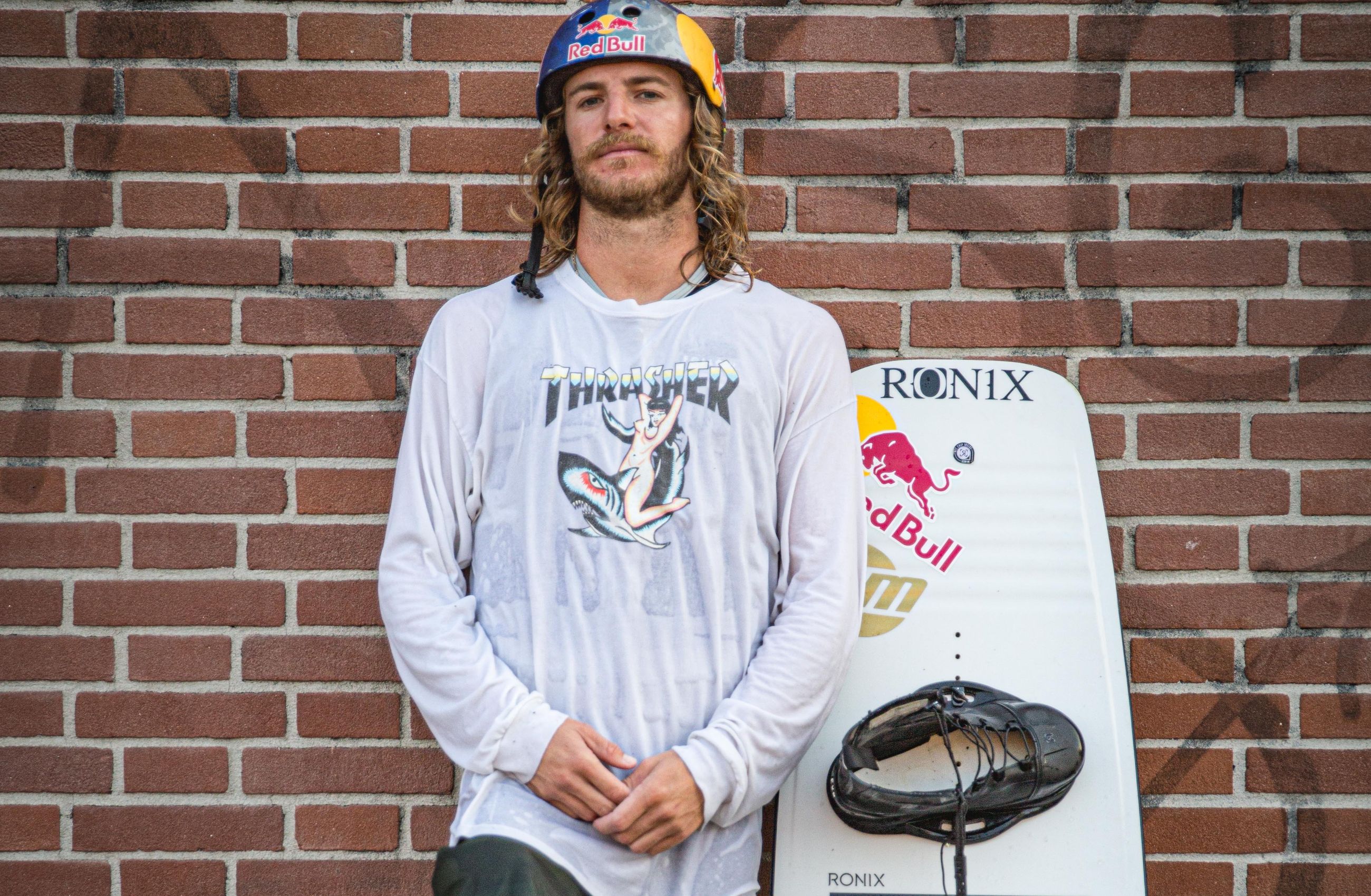
Well yes, we can finally say we made it! After almost a year of interviews with big names who have sometimes made history in their world, names who will make history in their world, and names that many people can’t stand, we finally managed to interview Massimiliano Piffaretti—and we have to admit, it was a real challenge (don’t get mad, we told you we’d write it!).
And if anyone doesn't recognize him by his given name, maybe you know him as PIZZA BOY. If that name still doesn't ring a bell, we invite you to look him up, because we are talking about the first Italian wakeboarder to win an IWWF Open Men World Title.
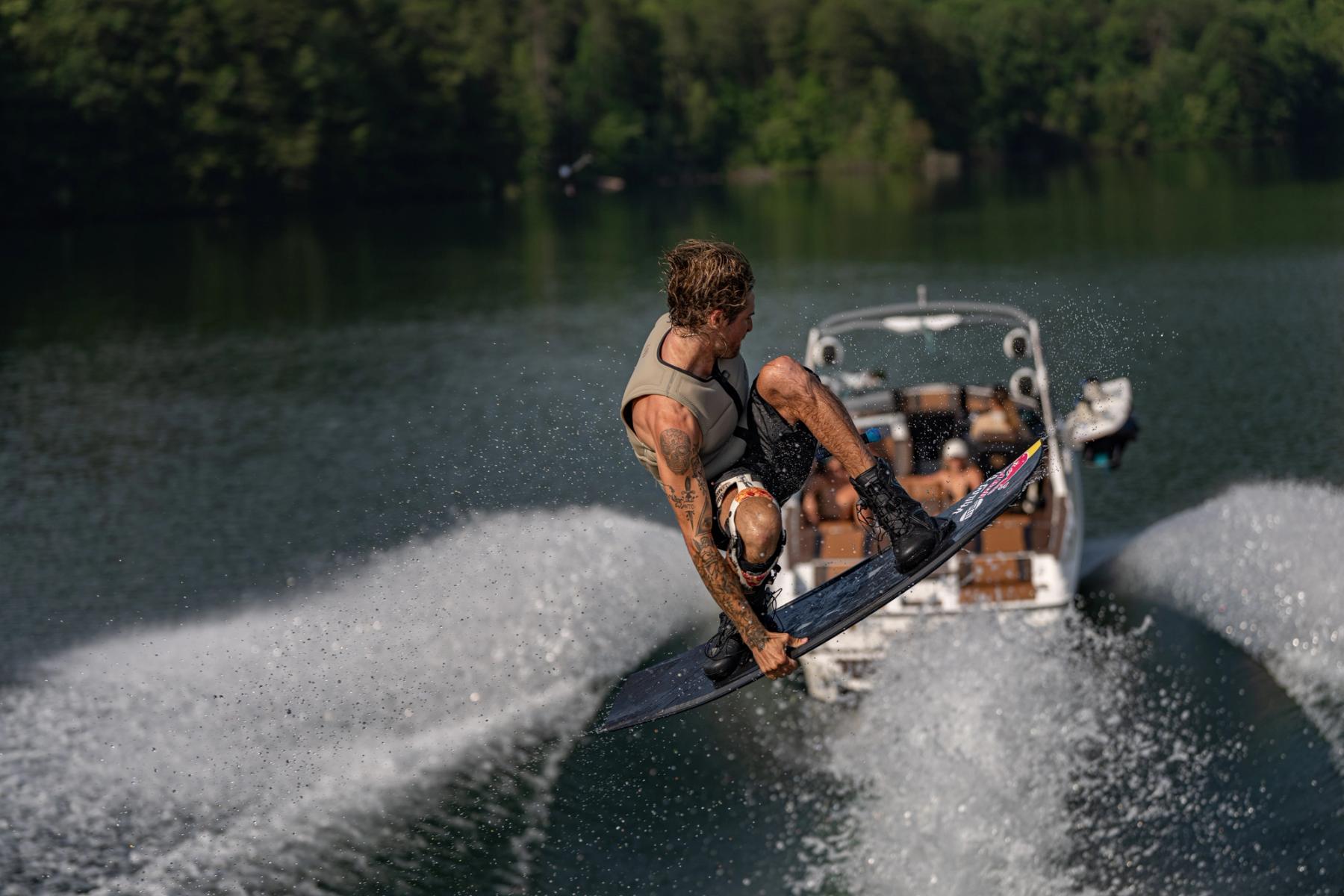
How are you doing? We heard about your injury, which is forcing you to stay home—something you’re not used to. How are you coping with it? How are you spending this time?
“Hey guys, happy to be here! I’m doing really well, even though right now I’m in rehab recovering from a small knee injury. You’re probably thinking, ‘MAN, YOU’RE ALWAYS BROKEN!’—collarbone in January and now the knee!Unfortunately, in these sports, we’re always at risk and we know it’s part of the game. To be honest, I’m taking it super easy. I’m focusing on myself and my priorities, which is a bit harder to do when you’re going 1,000 miles an hour during the season between competitions and sponsor events. Let's just say now I can take better care of myself and focus on coming back even stronger and more hyped for next season.”
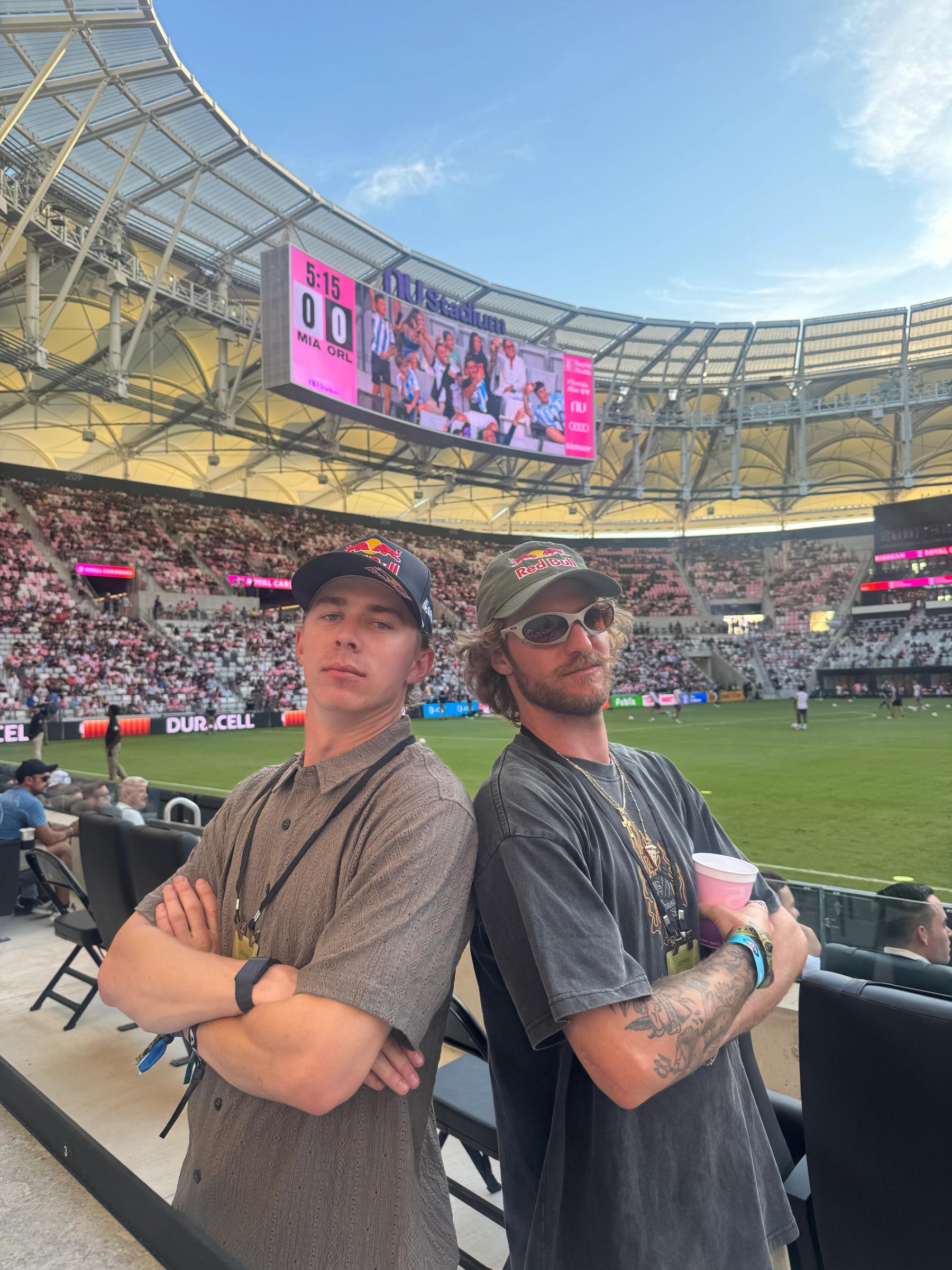
In these days when so many young people are taking to the streets for their rights—and before any controversy arises, please know we are strictly focusing on those groups of kids standing up for their rights—this desire to take charge of one's life is being overshadowed by acts of vandalism by a few. These acts are a real issue for our cities and have been for too long, and we condemn and detest them. Now you might ask: how do we connect all this to PIZZABOY? At age 15, Massimiliano chose to change his future, perhaps with the recklessness of adolescence, by moving to the other side of the world.
Going back to your past, at fifteen you left Italy and chose Orlando to test yourself in the most competitive system in the world. How did that choice influence your growth, your youth, and above all, your present?
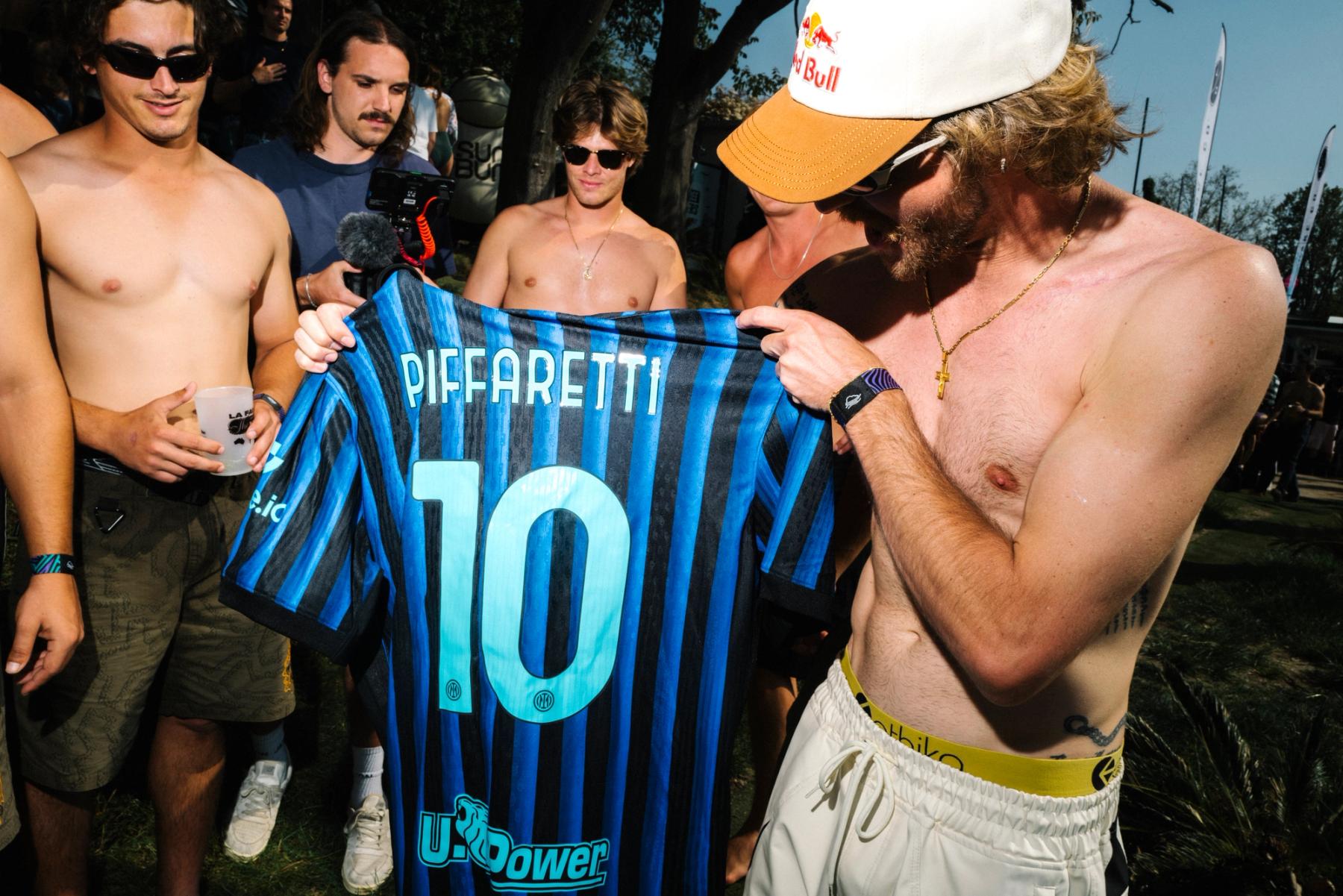
“Leaving Italy at 15 was a choice that was probably harder for my family to accept; back then, I only thought about riding my board and it was the only thing I truly wanted. Ever since I was little, I used to get mad at my friends when they told me that when they grew up they wanted to do a job other than wakeboarding. I believed we could all make it, and I had a vision of all of us friends together competing and traveling with the pros of our sport. America was truly the key for me to get to where I am today: I was surrounded by guys who were much better than me,who pushed me every single day to improve not just behind the boat, but at the cable park too.
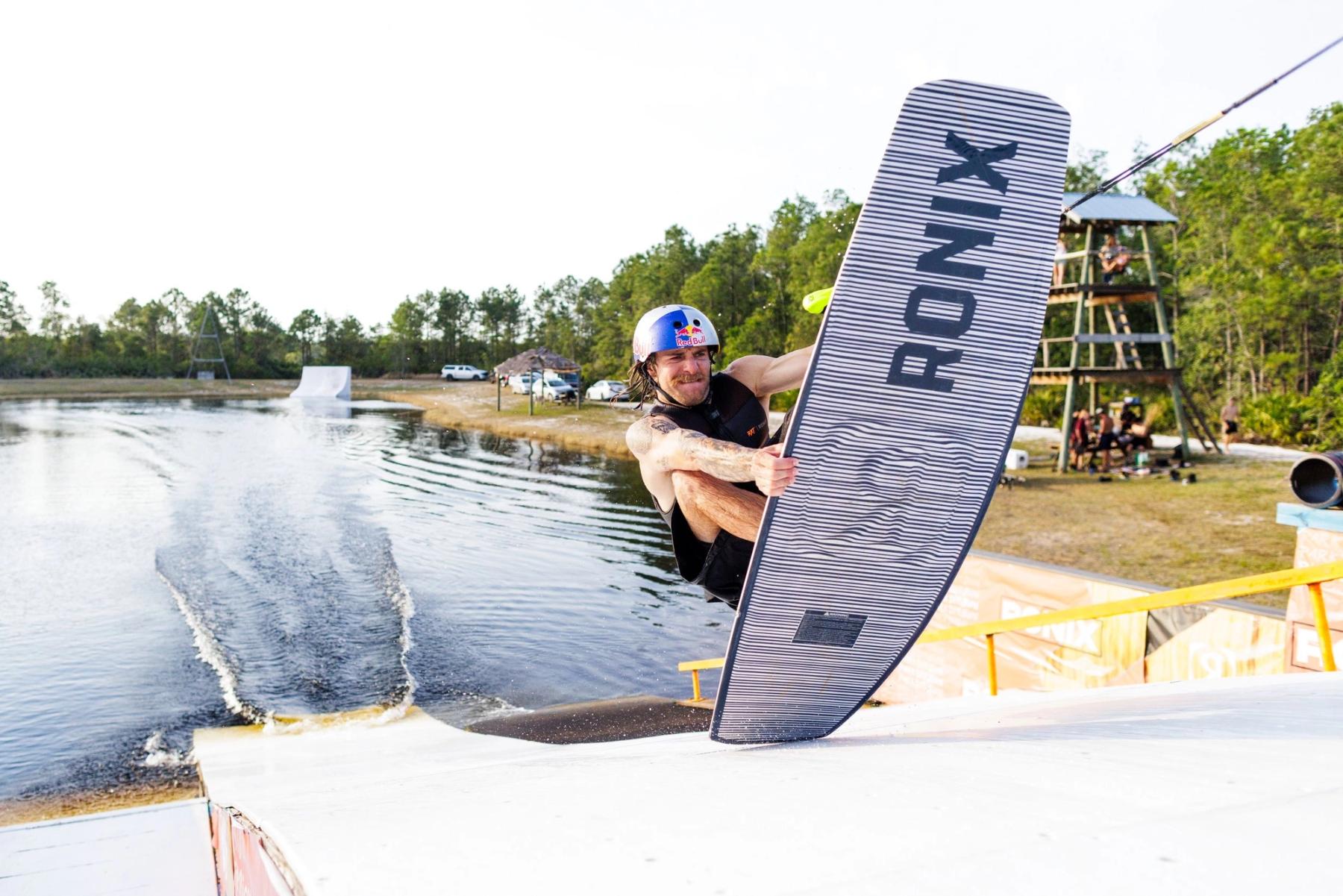
Today I am very proud and grateful for the opportunity my family gave me. I owe everything to my parents, who believed in me and let their only son go to the other side of the world alone to pursue something that was essential to me.”
Talking to someone who decides to move across the world at 15 is impressive, there’s no denying it. But the truth is that maybe this courage wouldn’t have come if that teenager hadn’t spent his childhood on a snowboard, 'bumping heads' with his older cousins.
Growing up with a board under your feet since you were eight gave you a massive technical advantage, but it also imposed a different pace of life compared to your peers. Have you ever felt the weight of this choice?
“I’ve always had a different rhythm from my peers, b
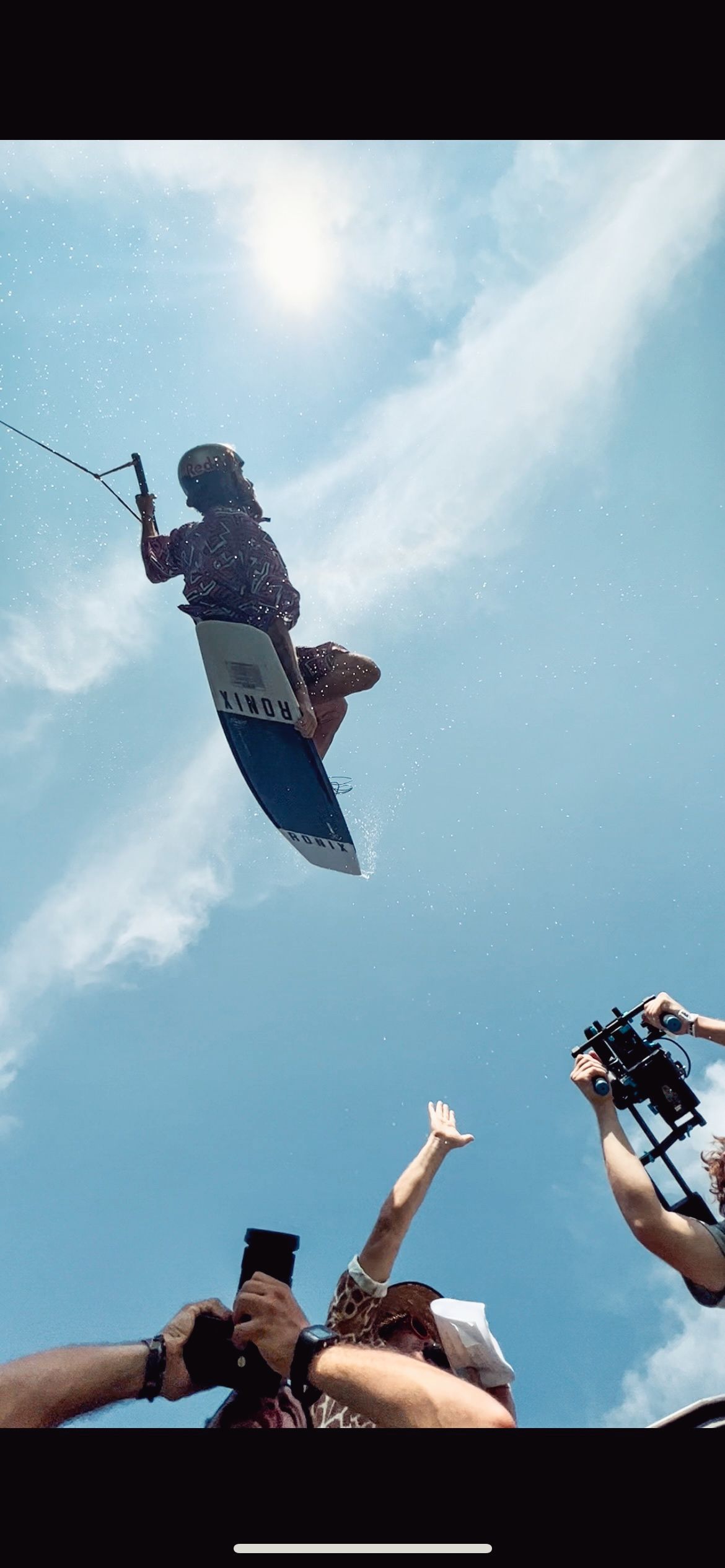
ut my luck is the family I have! My uncles and cousins have always been huge sports enthusiasts, so I grew up in that environment from the time I was a kid. At 3 years old, I was already skiing down the 3,000-meter peaks of Livigno, but for me, that wasn't enough because all my older cousins were snowboarding, and that was the next step. At 5, I started snowboarding and it was love at first sight. Then came the first competitions, and guess who took me to them? My older cousins, obviously. Even back then, I was always the guinea pig to open new lines and new jumps. I think that helped me develop a rider mindset.”
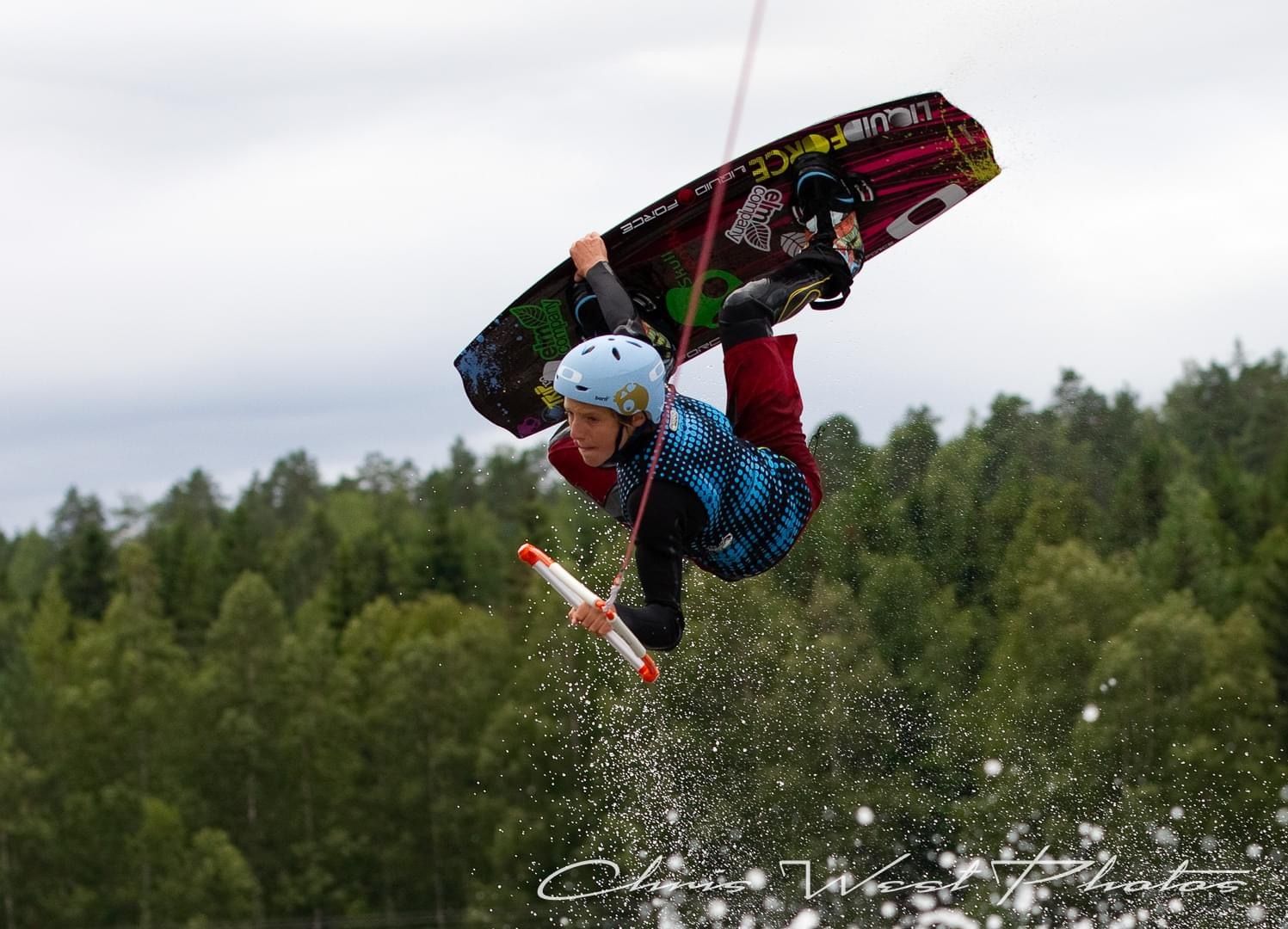
Sacrifice: it’s one of the most popular buzzwords right now, but have you ever wondered what it really means? "To make something sacred" or "to perform a sacred action." Every day, this word enters common language with a negative connotation—we identify sacrifice with suffering, giving up, or hard work. We think of "making sacrifices" as depriving ourselves of something enjoyable (free time, sleep, money) out of duty.
The sacrifice of living far from home for years is often romanticized. In reality, it’s a constant management of loneliness and pressure. When was the moment you realized that the price you were paying was worth the goals you were achieving?
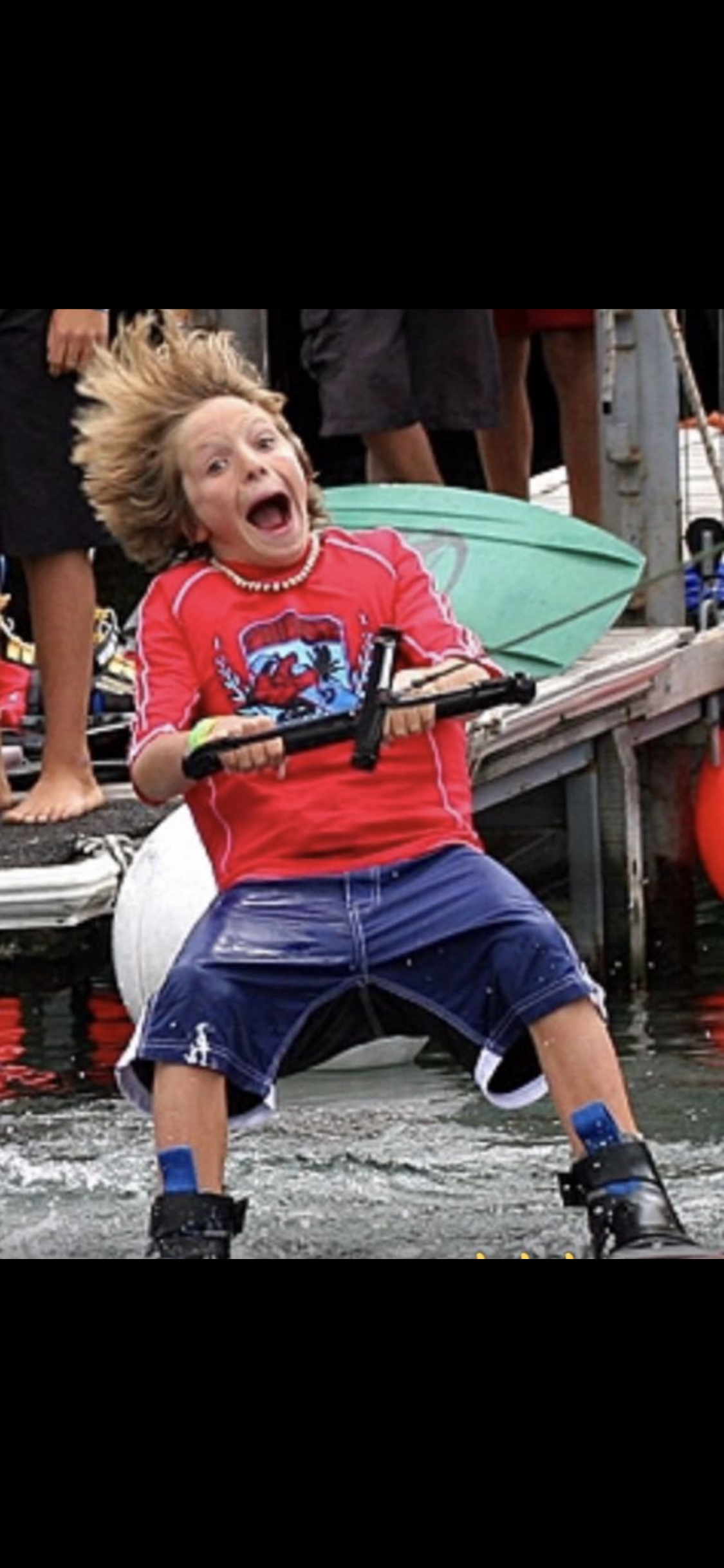
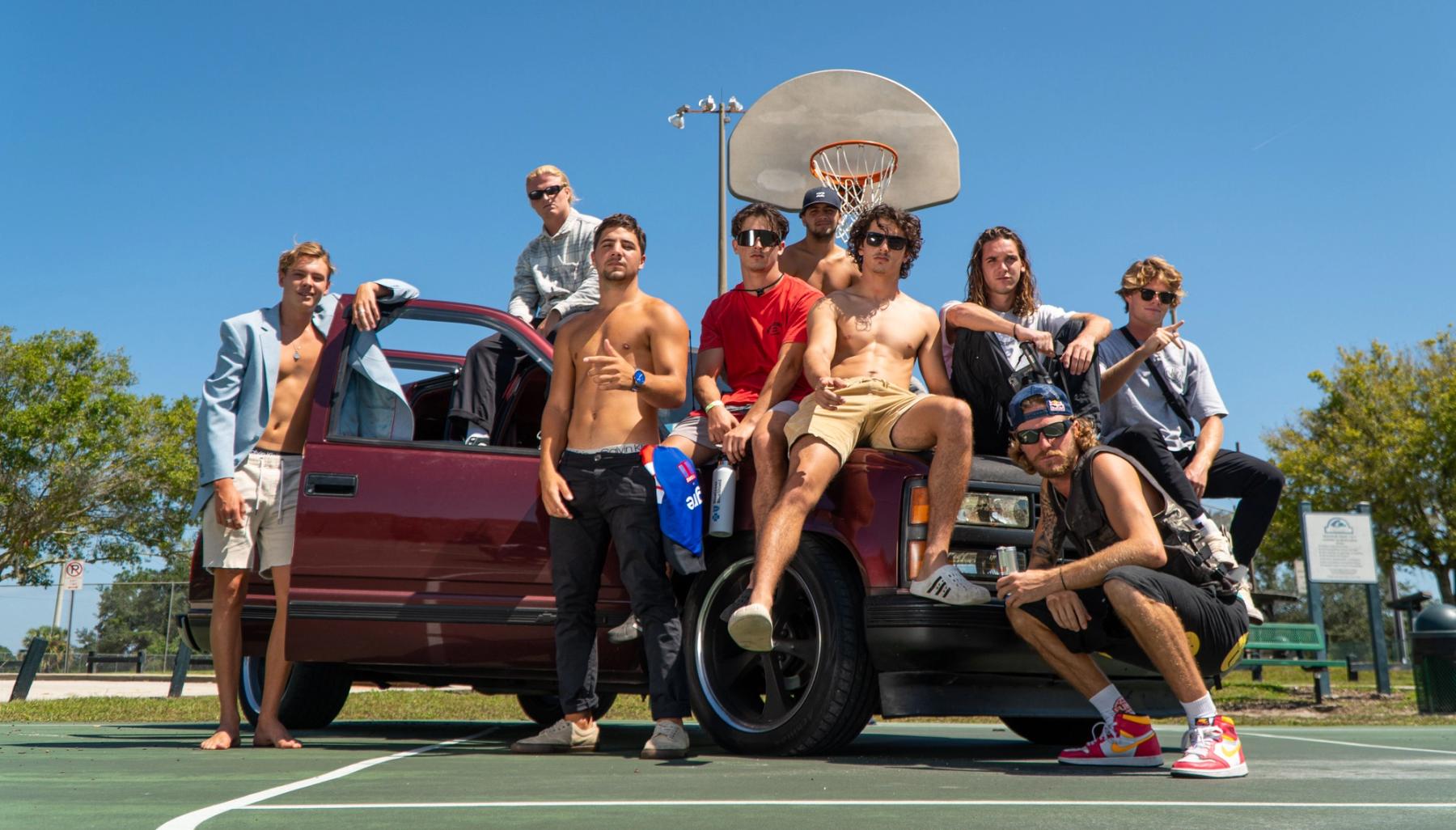
“I’d say I realized this over time; in the beginning, it was all a fairytale because meeting new people and my idols was truly incredible.At the same time, though, I didn't have my family around me 24/7 anymore, so I had to create my second family—which today is called LA FAMILIA, made up of my best friends whom I met along the journey. Today, with LA FAMILIA, we’ve created videos and projects that have changed our sport forever.”
Wakeboarding at your level isn't just a sport—it's pushing past your own limits every day. What is the real driving force behind your push to constantly raise the bar? Isn't there a risk of never having enough?
“The real force for me is style and creativity: trying to do things differently and thinking outside the box. I think there will always be different ways to execute a trick or view a sport differently from others, so the options are endless and I’ll never get enough of it, haha.”
And obviously, when talking about extreme sports, wild events, and courage, one can’t help but think of Red Bull—and consequently of Massimiliano, one of their blue-helmet athletes.
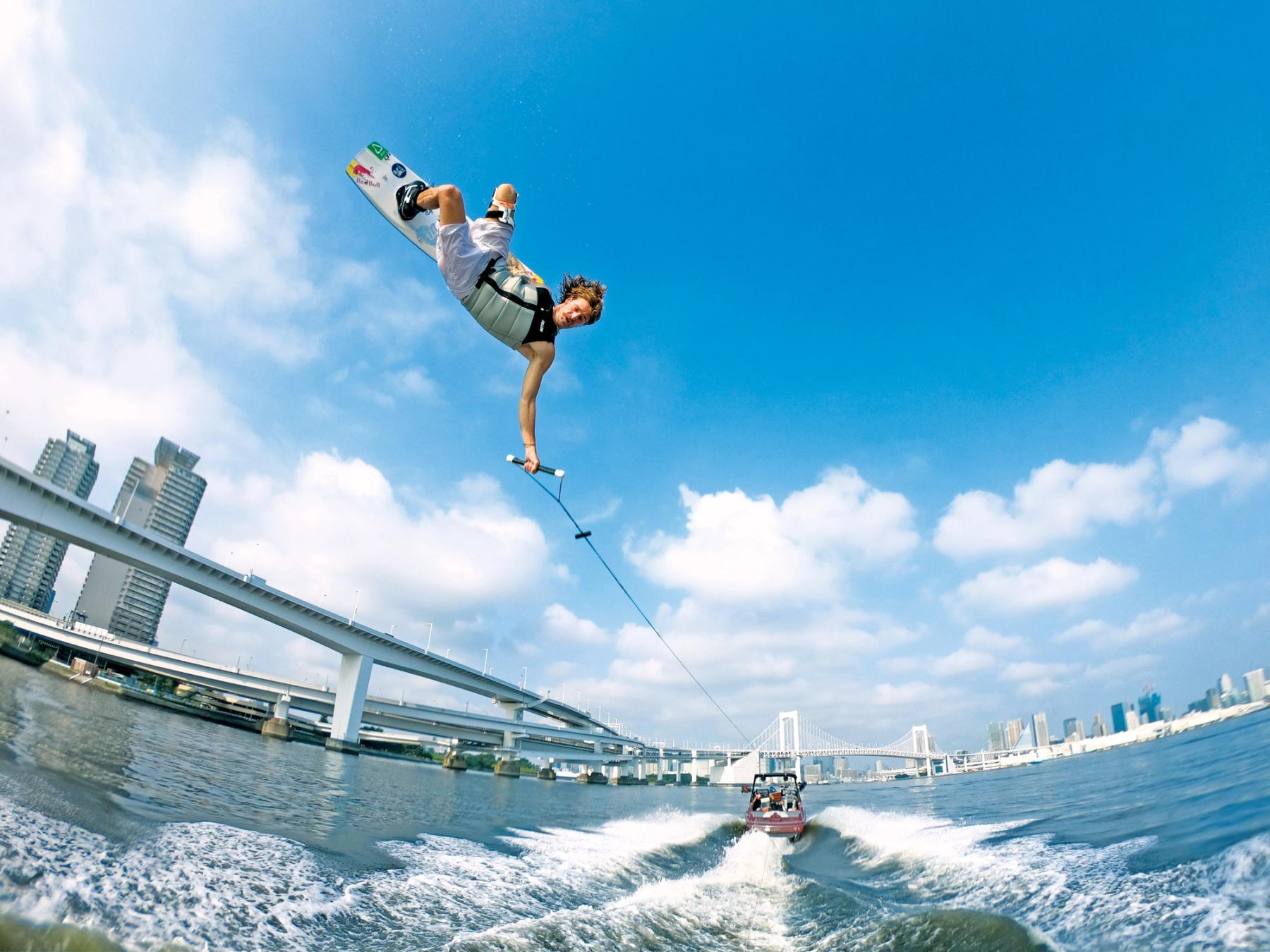
The Red Bull logo on your helmet isn't just a sticker; it seems like a genuine relationship. Beyond the budget and infrastructure that a company like that obviously offers you, what kind of connection have you found with them?
“Red Bull, before any logo or budget, is truly a family, and that’s why I feel at home with them. I’ve been with Red Bull since I was 18, and besides everything we’ve done over the years, they’ve helped me grow and become the best athlete I can be. The support they give me is a constant love that helps bring my dreams to life, even the crazy ones. That’s why I’m really grateful to the whole team for the trust they place in me.”
How much of your technical evolution came from one of their 'crazy' ideas that forced you to outdo yourself, and how much is it you pulling them to places they never thought they’d reach?
“More than just improving technique, Red Bull constantly inspires me to push further in terms of innovation and bring wakeboarding around the world in ways never seen before. Red Bull Wake the City is the living proof of that: no one would have ever thought the best riders in the world would perform in the Darsena in Milan, right in front of the whole city. It was the perfect stage to introduce this sport to everyone.”
Today, as a global benchmark, what is left of that 16-year-old kid who left with a suitcase and a clear goal in mind? And how much room is there in your life for a cup of tea?
“I’m still the same guy. For me, what matters is staying grounded, just like my parents taught me, and trying to give a hand to the kids of the upcoming generations. I want to be that Italian point of reference that I never had when I moved to America. I had to forge the path, and now we’re opening it up for our young talents. As for a cup of tea, we can definitely set that up!”
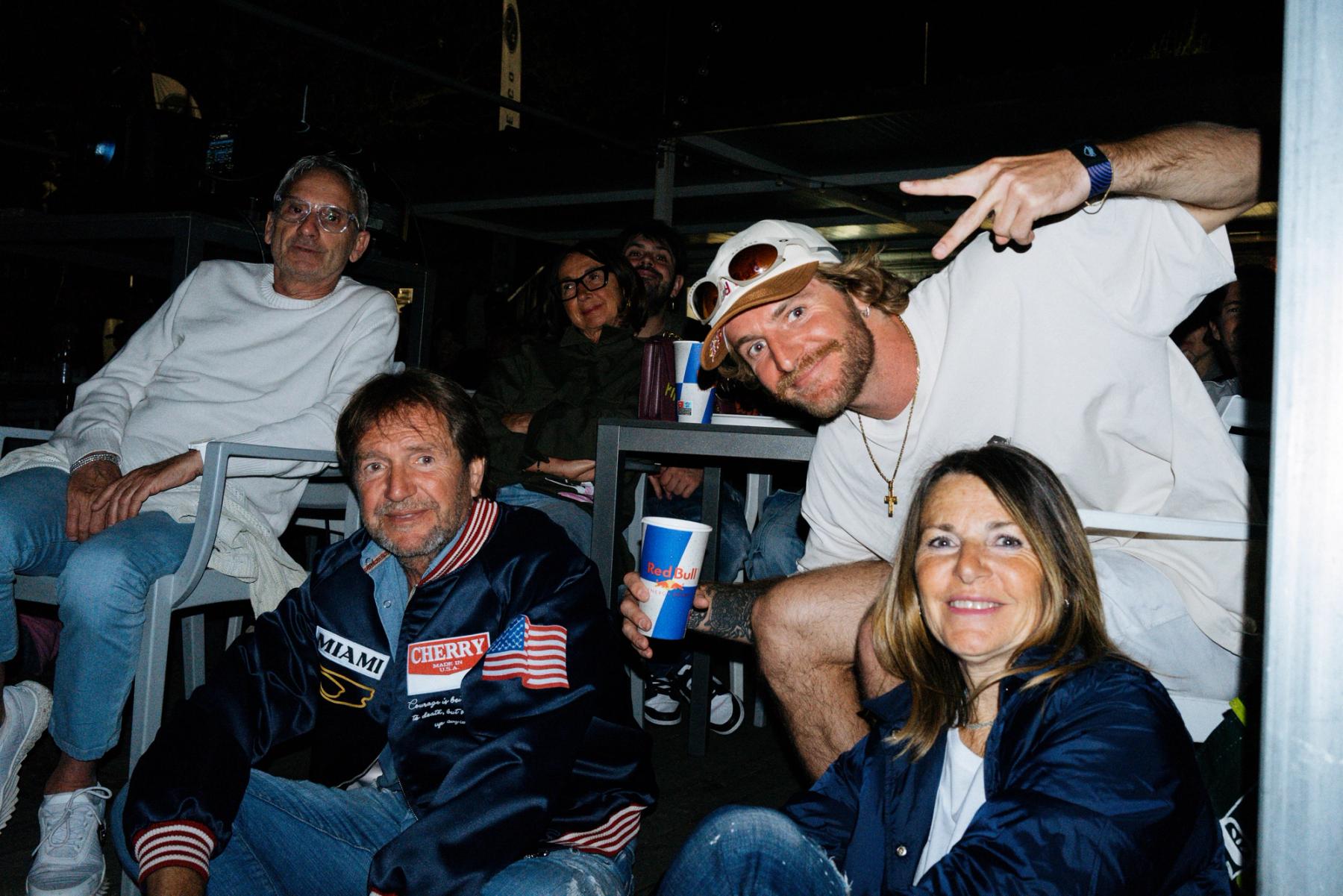
And now, the question we care about most: who is PizzaBoy? And before we let PizzaBoy give his answer, let us say one thing: in a society that constantly pushes us to compete with everyone and complain about our lives, it’s precisely Massimiliano’s direct, bright, and infectious personality that won us over.
“Let's say Pizza Boy is that part of me that will never leave Italy. Even though I’ve spent more time in America lately, I’m always proud to be Italian and I love carrying my country on my shoulders.The name was born when I finished my first video as a pro, but I didn't know what to call it. The legends of my sport—PARX, WATSON, GRUBB—had just started calling me that after I went to their house and cooked pizzas for them. So from there, we named the video PIZZA BOY, and the rest is history.”