
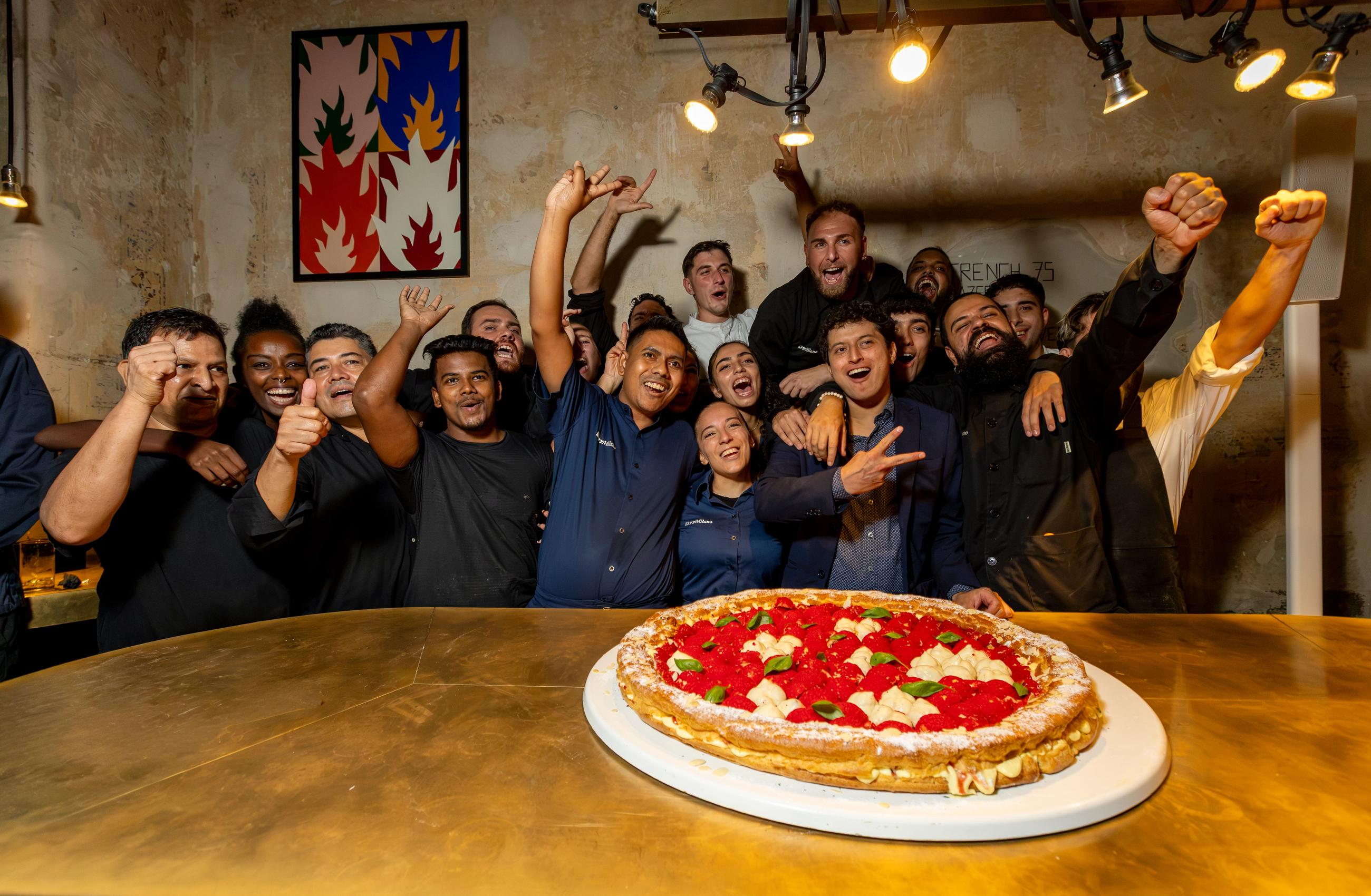
Dry’s birthday was a few weeks ago, and the wittiest among you might say, "Did you guys only notice today?" Fair point, but we were definitely there at the party—and we even recruited a few of you to snap some photos (which might actually become a new column: Stolen Shots from Events).
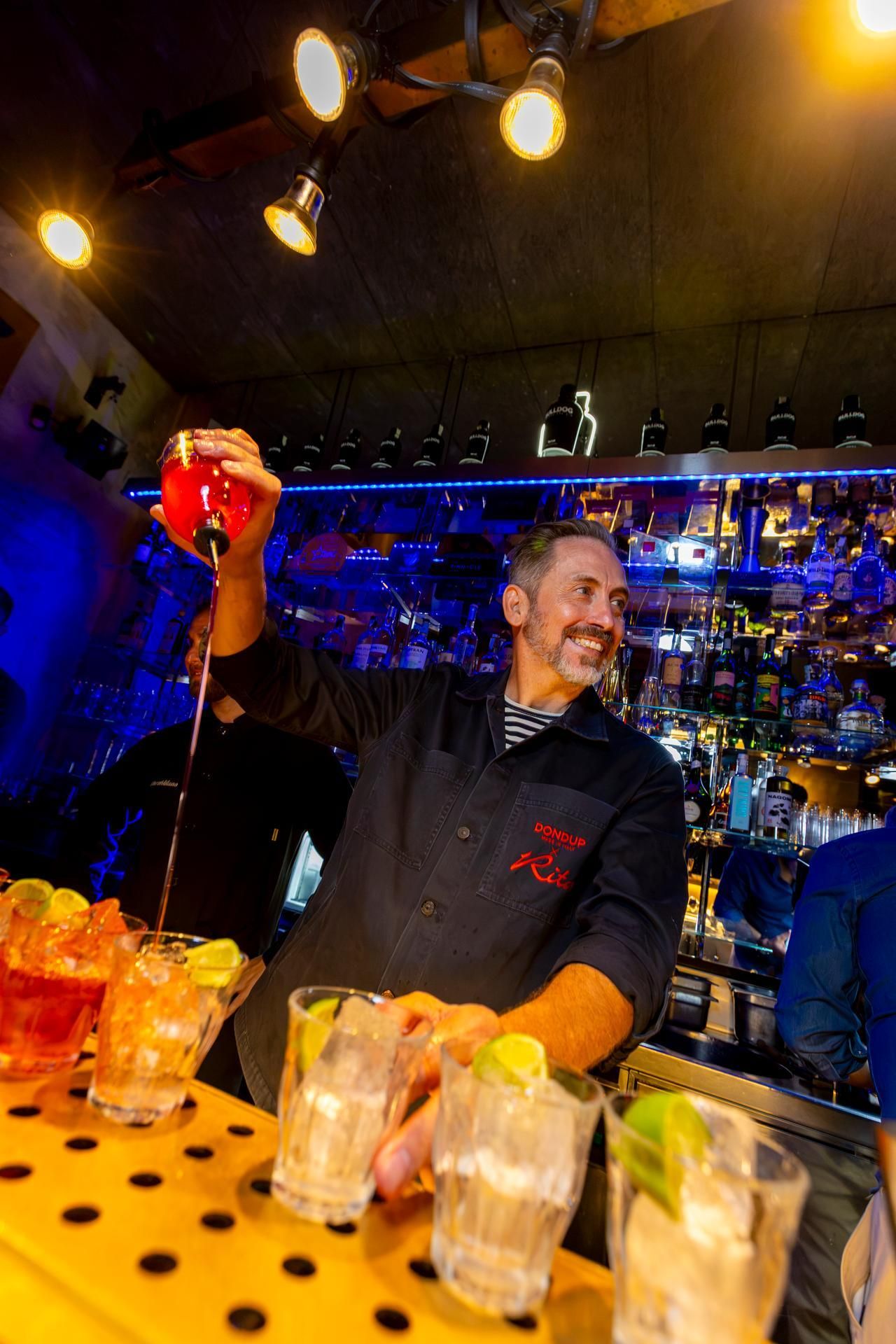
Back to the birthday: we won't dwell on it too much, because it’s common knowledge that every year Dry throws a proper bash, inviting friends and foes alike and creating a moment where bar and kitchen come together. And that’s what we love most.
Dry is one of those places where you walk in and feel at home. Sure, the average bill is on the higher side, but that fact hits a solid reality: you don’t go to Dry just to eat a simple pizza; you go to Dry for an experience where food and drinks meet.
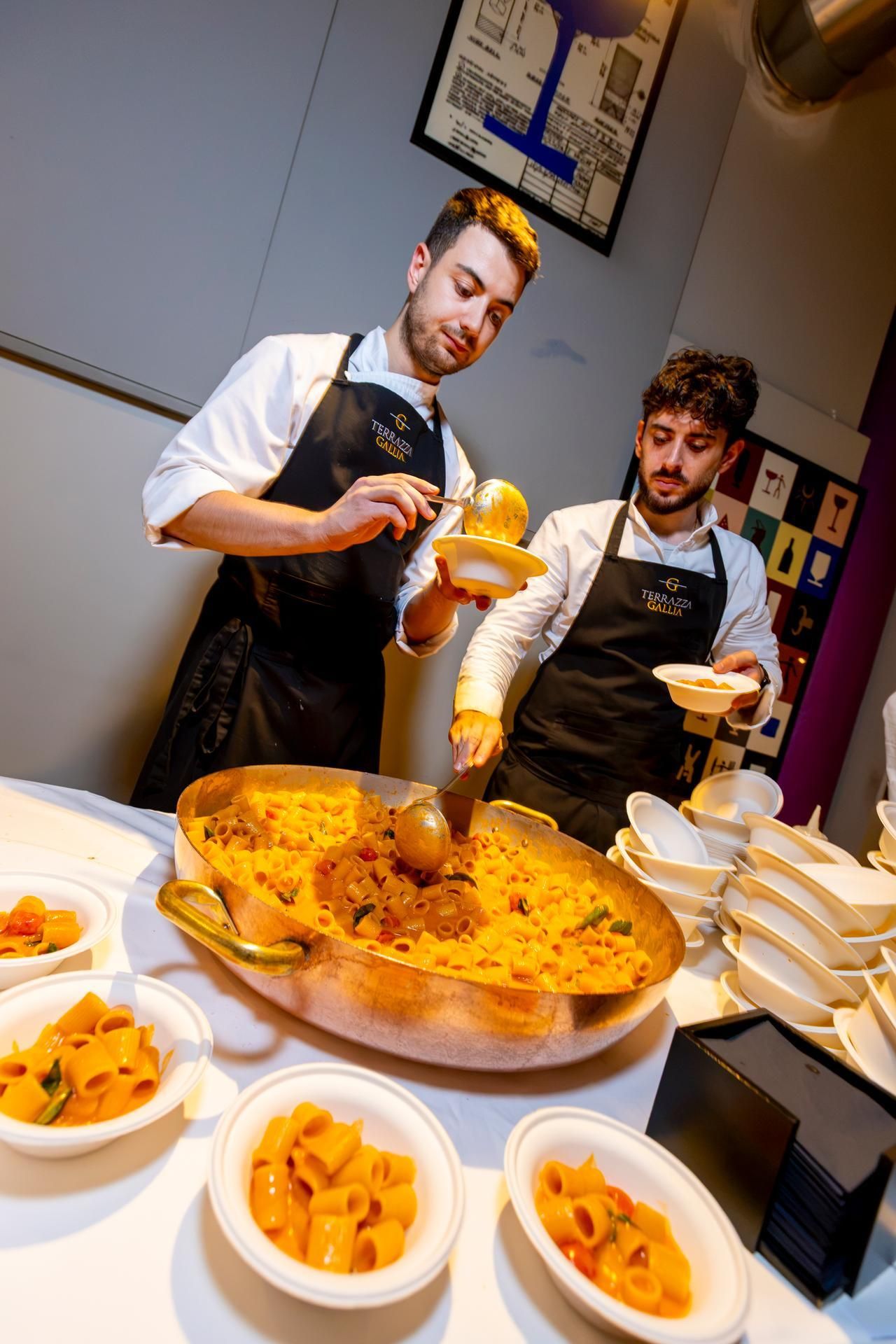
13 years of being packed night after night mean an expertise consolidated over time—especially when facing a constantly evolving market that highlights a factor many overlook. Post-COVID (and unfortunately, we all remember it), Milan has changed profoundly, shifting the habits of locals (especially those not born in the city). As habits shifted, the ongoing search for personal time and interests led to a flow of people leaving earlier and earlier during summer or long weekends.
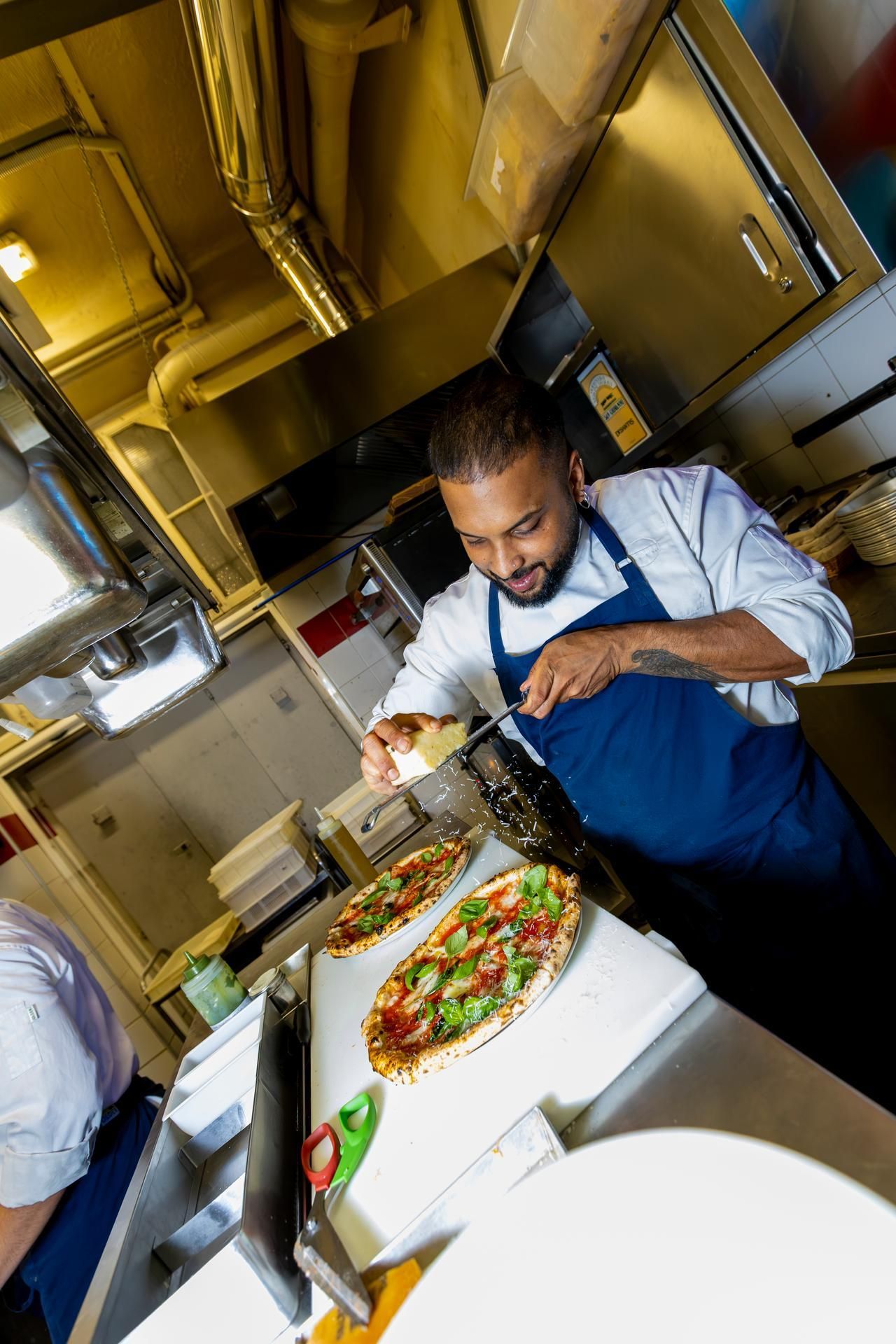
You might ask, "Why should we care?" Well, if the flows change, the approach has to change—it's the only way to remain a staple on the Milanese scene.
Not every spot has an investment fund behind it covering expenses, risks, and failures; most have to stand on their own two feet. Mind you, we’re not waging a war against investment funds—we’re just saying that in a society obsessed with appearances, we should pause and look at the real numbers.
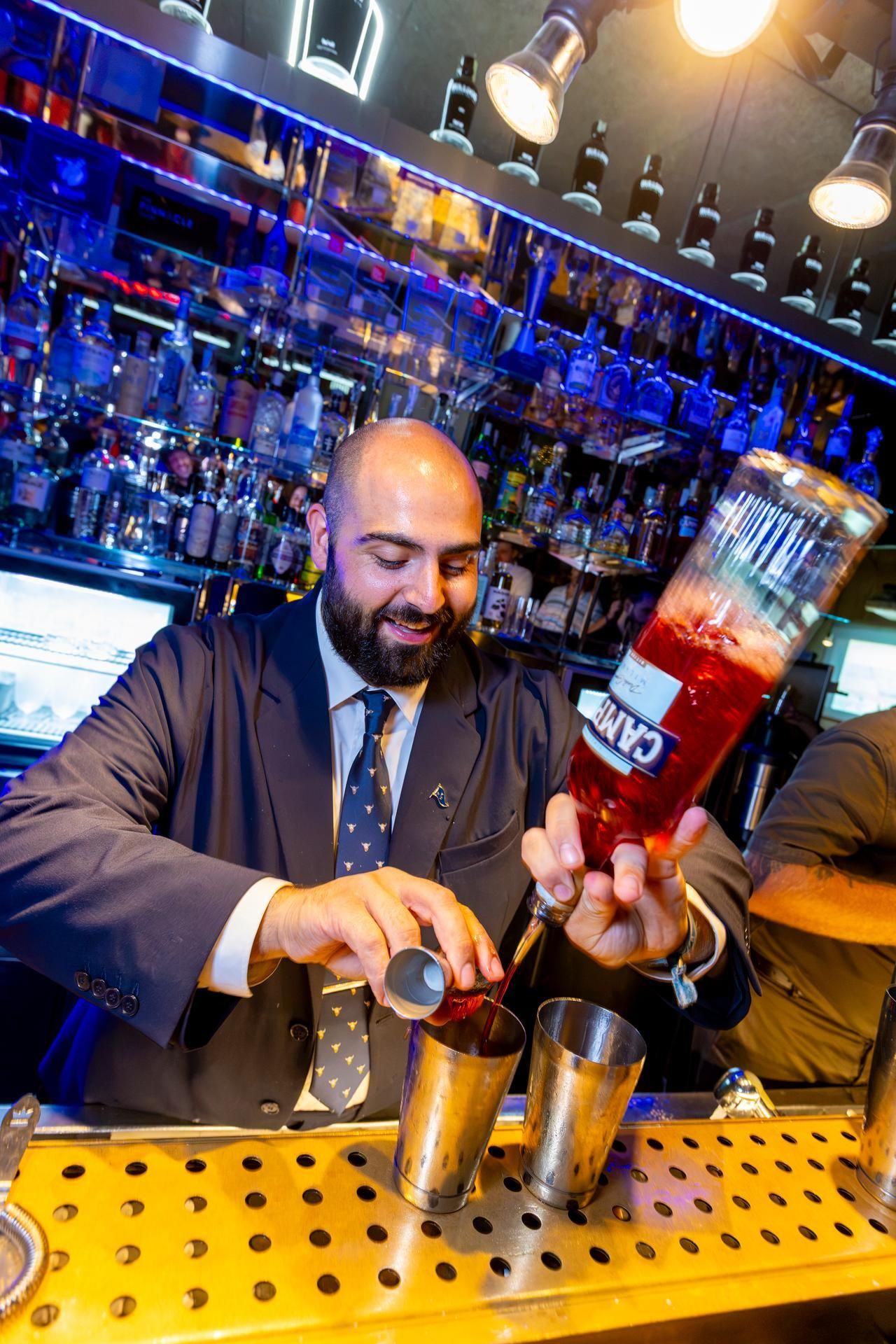
“In a context where costs have tripled, a venue's economic sustainability is a daily battle. Expansion projects or million-euro openings are unthinkable today without the backing of an investment fund. To stay afloat while keeping preparations at the highest level, you have to pull off a massive balancing act, dealing with often invisible costs. Between 25 and 30 employees work in this structure. While turnover in the kitchen and behind the bar is almost zero, front-of-house staff changes more frequently (every 3 to 4 years) due to the nature of temp roles. The key to maintaining this continuity remains internal training: creating real opportunities for those willing to commit and grow. It’s no coincidence that the current General Manager started years ago as a pizzaiolo, and the current head pizzaiolo started as a dishwasher. To protect the team from the burnout running rampant in the industry, management guarantees a sustainable workweek based on 5 shifts.”
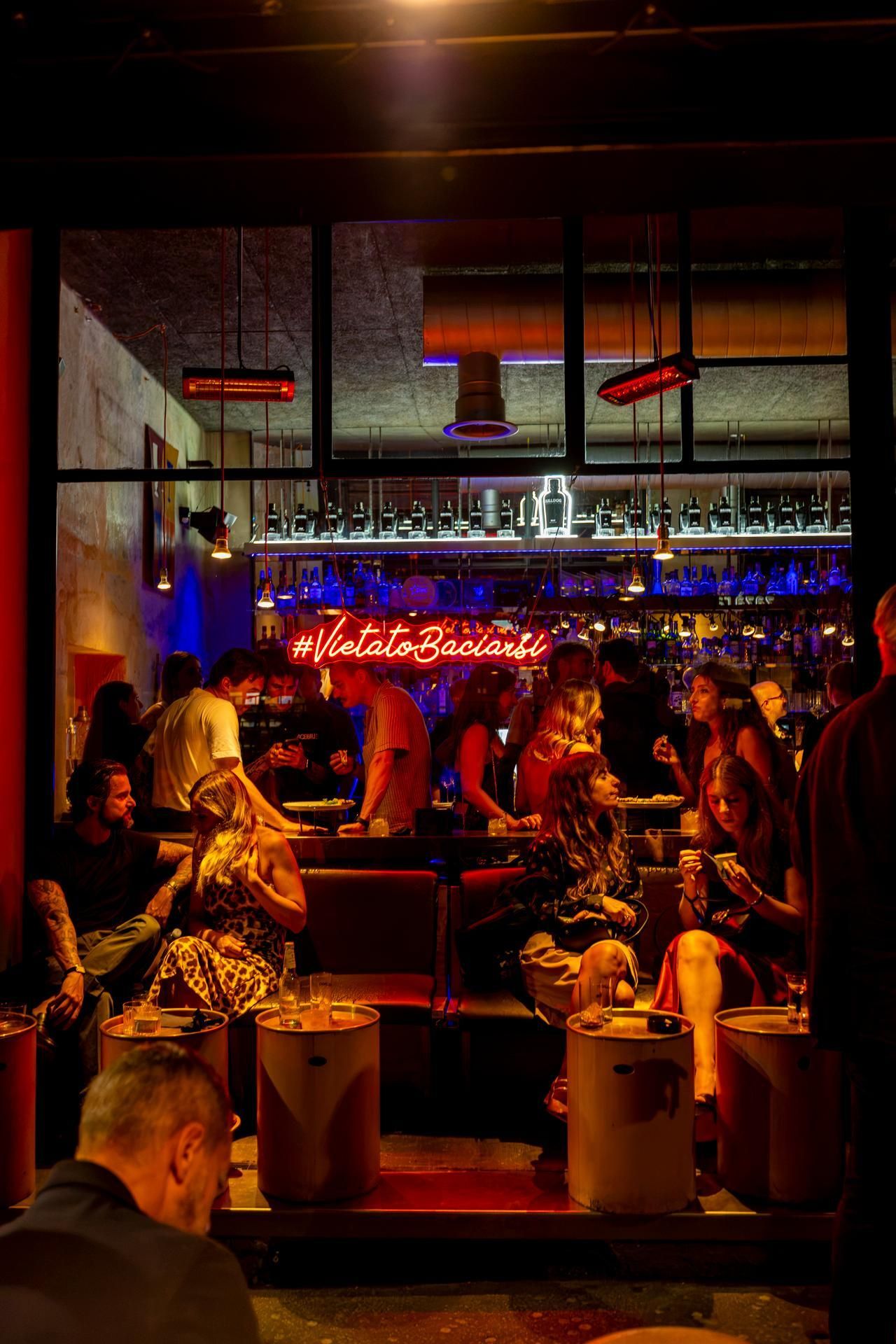
Now let’s talk about guest shifts, because plenty of bartenders have taken turns behind Dry’s counter. So, we asked Lorenzo how much sense doing all these guest shifts still makes today.
“Beyond internal operations, guest shifts represent a strategic component for Dry’s positioning and revenue. Hosting about two events a month (around 70 guest shifts in 3 to 4 years), the value isn't just the 15 or 30 people brought in on the night, but the overall ecosystem it generates. This constant exchange takes the brand around the world—connecting with spots like Bar Carmen and sparking a continuous cross-pollination of ideas—while building a network of mutual recommendations between venues. The total revenue generated by this healthy network sits around 400,000 euros. Beyond just chasing the 50 Best rankings, the primary goal remains learning from other professionals and creating reciprocal value.”
In a moment of massive buzz for the entire bar industry, we love the project Dry is driving alongside other Milanese venues: a project centered on Hospitality at a time when, to us at Spaghetty, it feels like something forgotten. But we aren't here to talk about that project; we’re here to share what Dry means to us—a place to hang out, share moments, and reconnect for the past 13 years.

