13 Bars Close Every Day in Italy
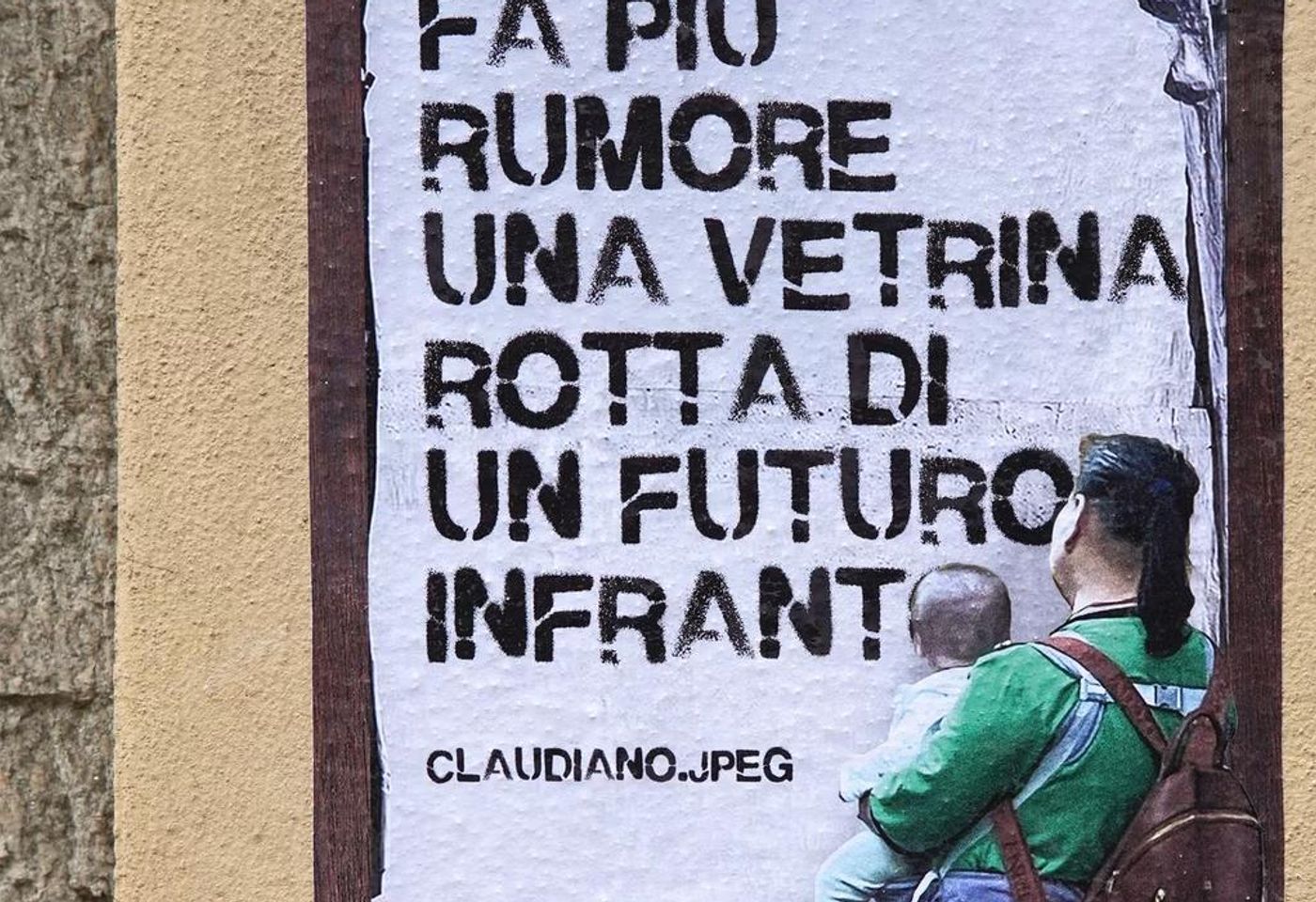
Since 2020, 24,000 bars have shut down—a crisis hitting a €23.8 billion sector that can no longer afford to rely on a €1.20 cup of coffee.
Italy has always been the ultimate symbol of coffee at the counter: a daily ritual enjoyed quickly in the morning or seated at a small table, a tradition that embodies Italian sociability and lifestyle. Yet, behind such a simple gesture lies a persistent economic crisis.
The official data—which comes directly from the FIPE-Confcommercio Catering Report and the Chamber of Commerce registries—is truly alarming:
- 24,000 shutters pulled down: Over the past six years, the net balance of active businesses in the bar sector recorded a loss of more than 24,000 units.
- A deadly toll of 10,000 closures a year: Business shutdowns are running at an average rate of 11 to 13 bars closing permanently every single day.
- A shrinking network: Today, there are approximately 124,900 active bars across the country, showing a steady annual decline of about -2.2%.
- Survival rate at an all-time low: Corporate mortality rate figures reveal that over 55% of new bars do not make it past their fifth year.
It points to a system in constant collapse.
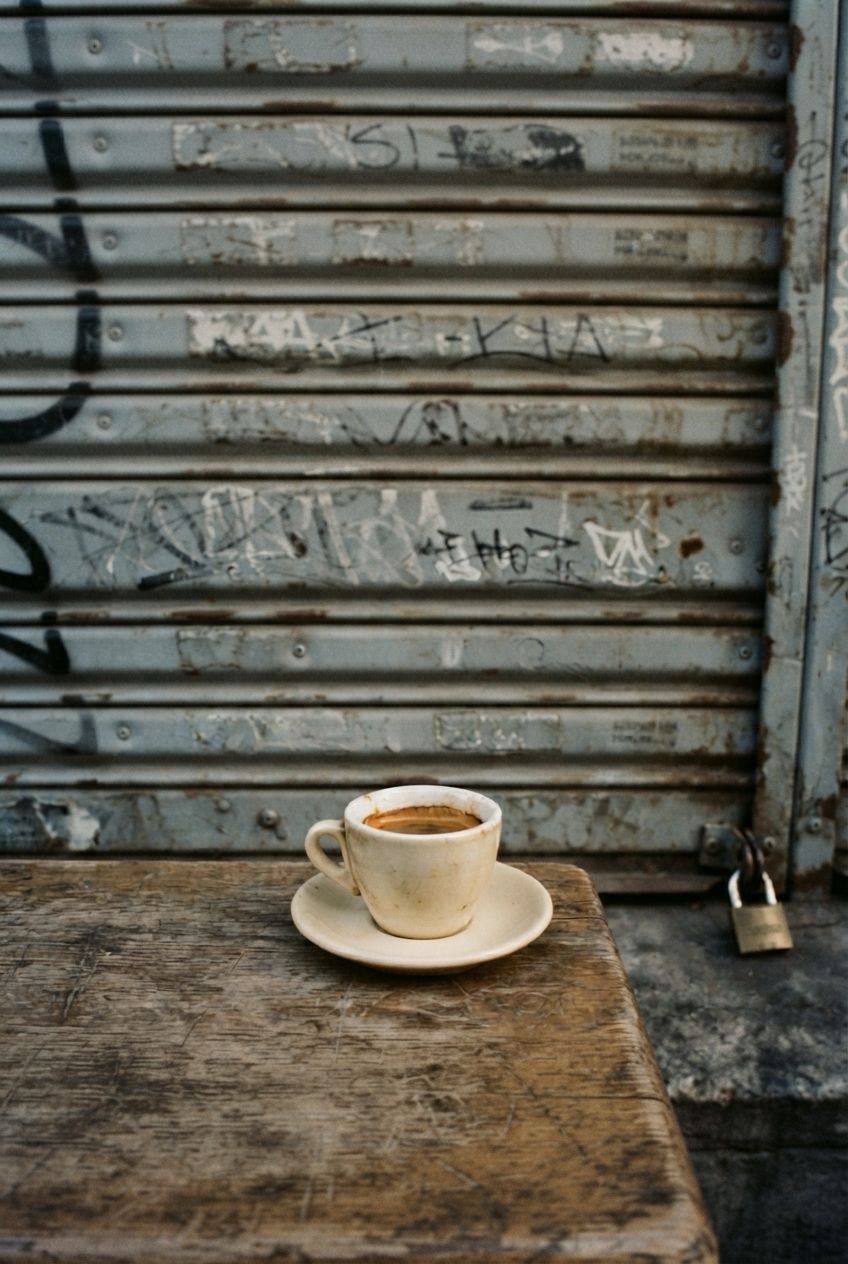
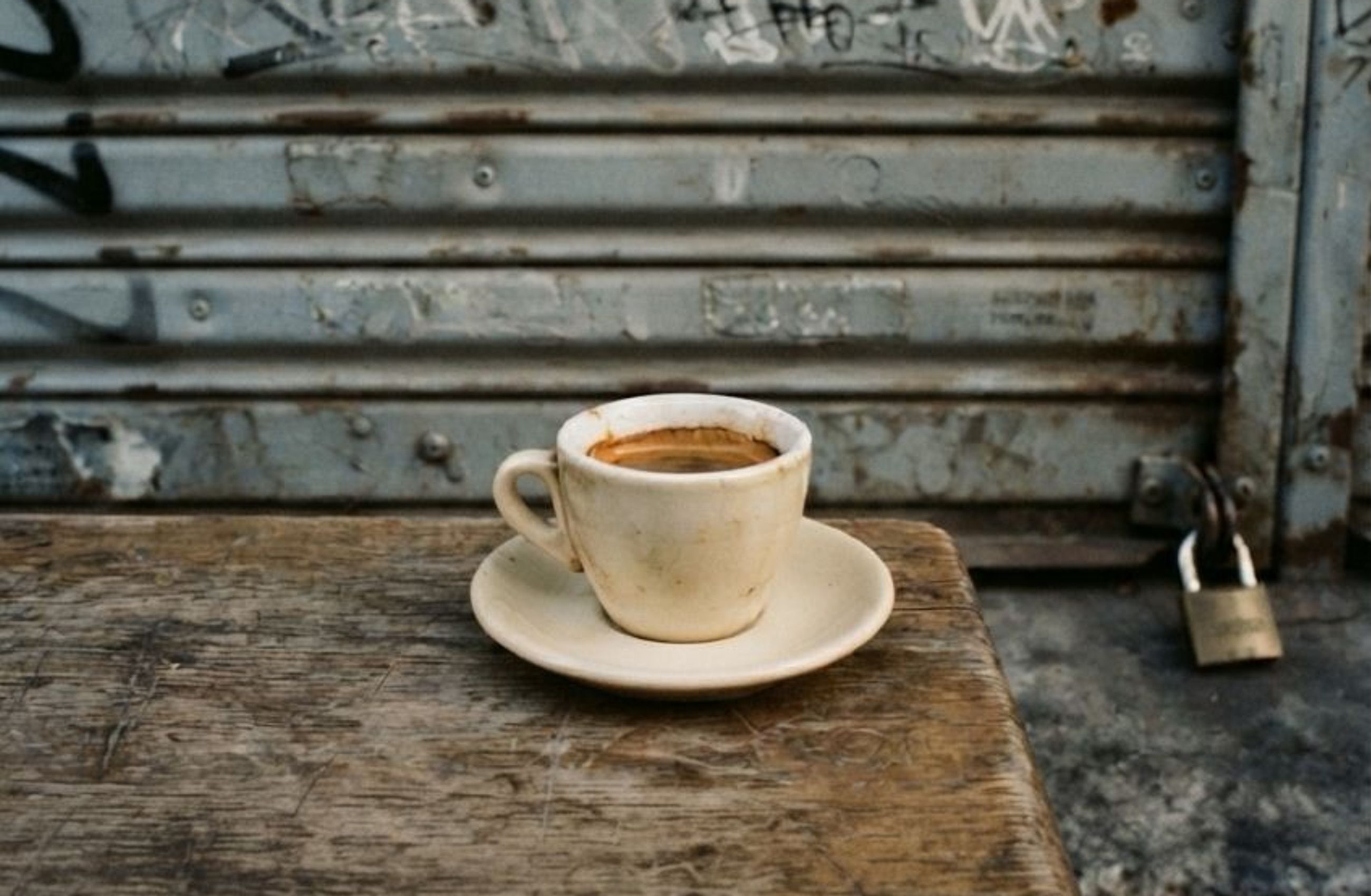
Understanding this trend on a basic level doesn't require a master's degree in finance—you just need to look at a receipt and do the math, starting with our beloved espresso at the bar.
For years, daytime coffee shops built their business model on massive volumes and razor-thin margins on staple items. A typical breakfast (a coffee at €1.20 and a croissant at €1.40) generated an average spend of around €4.00–€4.20 per customer. But then something broke, something snapped, and the system could no longer hold up. People often talk about fixed costs and raw materials. Put simply, when it comes to coffee, owners faced an unsustainable spike in raw bean prices, rising rent costs, and, of course, skyrocketing utility bills. As these expenses soared, daytime bars had to face us, the consumers, who naturally found a price hike from €1.00 to €1.40 unacceptable—and no one is blaming us. However, that price was no longer enough to cover rent, taxes, and wages.
Then there is the human element. Before asking why young people don't want to work in bars anymore, we should ask ourselves: is opening a bar today even a risk worth taking?
Now let's look at the case study: Lombardy, the region that lost 1,334 bars in the last year alone. If the region long considered Italy's economic engine is experiencing such a tragic moment, we need to start asking ourselves a few questions.
The reasons behind these closures are endless, and while we won't attempt to give a definitive answer, here are a few key points to reflect on:
- Smart Working and Hybrid Work: The concentration of service-sector companies in Milan and provincial capitals has stabilized remote work at 2–3 days a week. The physical absence of workers has cut weekday breakfast and lunch foot traffic by 30–40%.
- Real Estate Costs: Commercial rents in Milan, Monza, or Brescia leave zero room for error for businesses with low average customer spend.
- Pressure from Chains: The arrival of international giants (Starbucks, Pret A Manger) and takeaway bakery chains has eaten into the market share of neighborhood bars.
What about Southern Italy? The South is registering positive net growth in cities like Palermo (+8.7%), Taranto (+10.6%), and Bari (+5.8%). In these areas, the local bar remains a central social hub, and rental costs remain manageable.
Does Nobody Want to Be a Barista Anymore?
Beyond the economic factor, another issue is growing rapidly: the severe labor shortage.
According to data from the Excelsior system by Unioncamere and FIPE, over 40% of open positions in the HoReCa sector (counter staff, baristas, servers) remain unfilled or require months of searching before being filled.
We should ask ourselves why. Just like above, the answers could be endless, but here are a few clear ones:
- Hours and Work-Life Balance: Shifts, working holidays, 5:00 AM wake-up calls, or late nights behind a counter are increasingly unacceptable to younger generations.
- Pay Levels: Low profit margins prevent owners from offering competitive salaries that compensate for the required sacrifices.
- Lack of Career Paths: Baristas are still treated as unskilled labor rather than hospitality professionals, discouraging young graduates from culinary and hospitality schools. We must remember that high-profile, influential bartenders are few and far between—much like kids wanting to become professional soccer players.
So, Who Is Surviving?
- "All-Day Dining": The modern bar needs to cover 4 to 5 daily consumption slots: breakfast, mid-morning break, quick lunch, afternoon snack/laptop work, and especially the aperitivo—a time slot that guarantees an average spend of €10 to €18 with profit margins above 60%.
- Artisanal Pastry & Specialty Coffee: The monoculture of generic €1.20 espresso is making way for specialty brews. Consumers—particularly under-35s (the higher-spending demographic) and tourists—are showing a willingness to pay €2.80 to €4.00 for high-quality coffee paired with artisanal bakery products rather than thawed industrial pastries.
- Managerial Control: New formats rely on management software to calculate food cost down to the fraction of a cent, monitor staff shift efficiency, and engage customers through digital loyalty programs.
We don't have a neat conclusion, but we do have a question for you:
If we want to preserve the neighborhood bar, do we have to accept that the value of the service, the space, and the hard work behind the counter can no longer be settled with a €1.20 coin? And if we accept this obvious truth, how can we protect our own wallets in a country that pays little attention to the real struggles of its people?
Statistical, demographic, and employment data cited in the article are drawn from the FIPE-Confcommercio Catering Report, Unioncamere-InfoCamere Movimprese data, and the Excelsior Information System Bulletin.