Six dinners, 30 guests, and a frame of excellence: this was the foundation of the project featuring Gruppo Orsini as the main protagonist during Vinòforum. And for those unfamiliar with Vinòforum, you might want to do a little research, because the bar industry cannot be relegated to just a few events.
Apulia, the group's birthplace, was an integral part of this experience through a food and beverage pairing tasting curated by Gianni Dell’Olio and his team—and believe us, building a fully operating restaurant inside a park is no small feat.
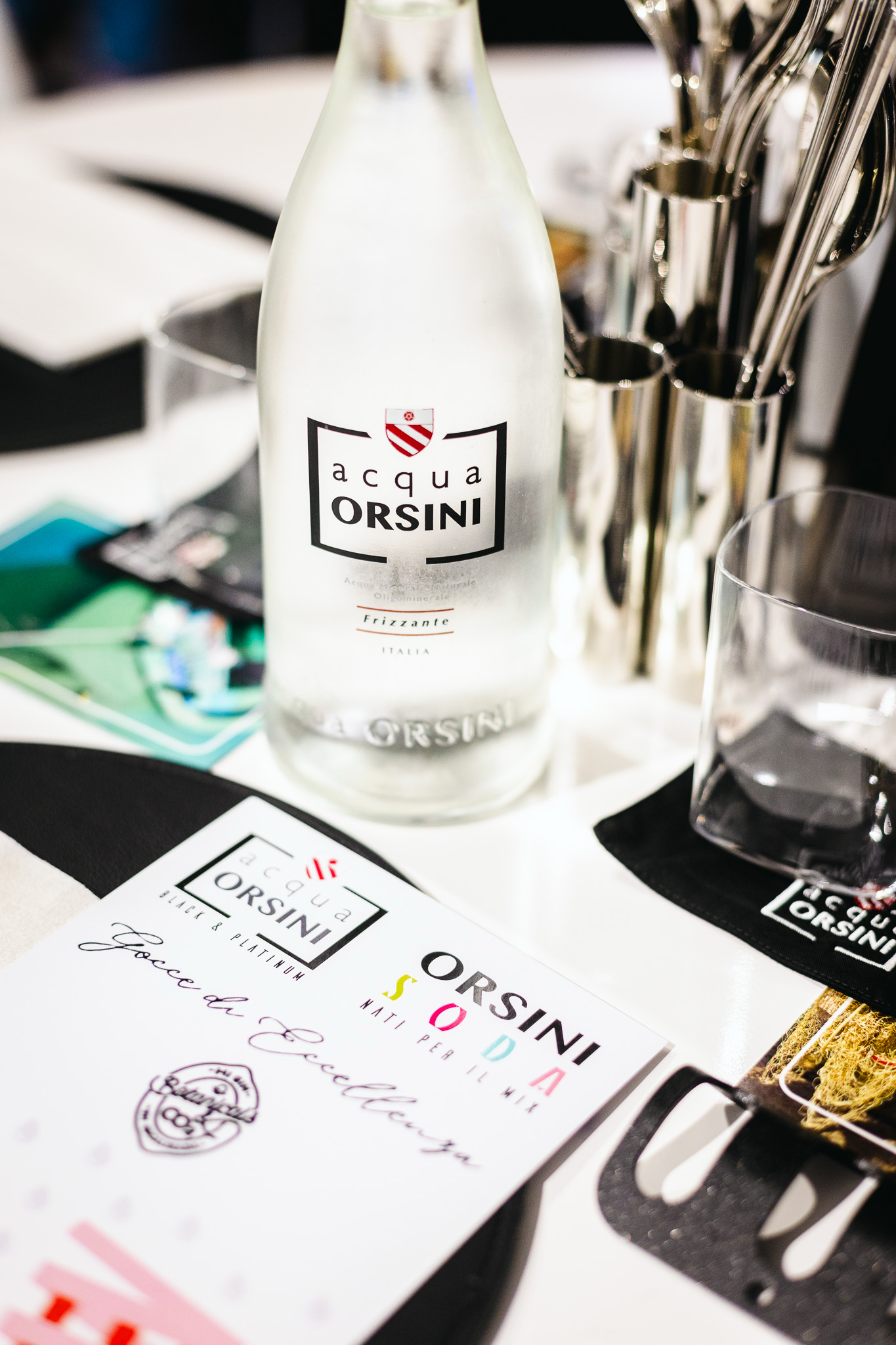
For months now, in almost all our articles, we have been asking a question that often sounds provocative yet rests on concrete foundations: why are people drinking less? Why are consumers choosing a different lifestyle? Today, instead, we find ourselves talking about an element essential to us all: water.
To discuss water, we must inevitably talk numbers (so bear with us—and for those who don't yet, it might be time to start leveraging data in your daily operations).
- Global Availability: Only 2.5% of the Earth's water is freshwater, and less than 1% is accessible for human use. According to the World Resources Institute (WRI), 25 countries experience extreme water stress every year.
- Italian Consumption: Italy ranks first in Europe and second globally (behind Mexico) for per capita bottled water consumption, exceeding 220–250 liters per year per person (Censis / Mineracqua data).
- Public Network Perception: Approximately 28–30% of Italian households do not trust tap water, even though over 85% of municipal tap water meets excellent quality standards (ISTAT / ISS data).
- Data from the World Resources Institute (so it's not just us at Spaghetty saying it) places Apulia and Southern Italy among high water-stress areas. Simply put, water in Apulia and across the South is a precious, scarce resource.
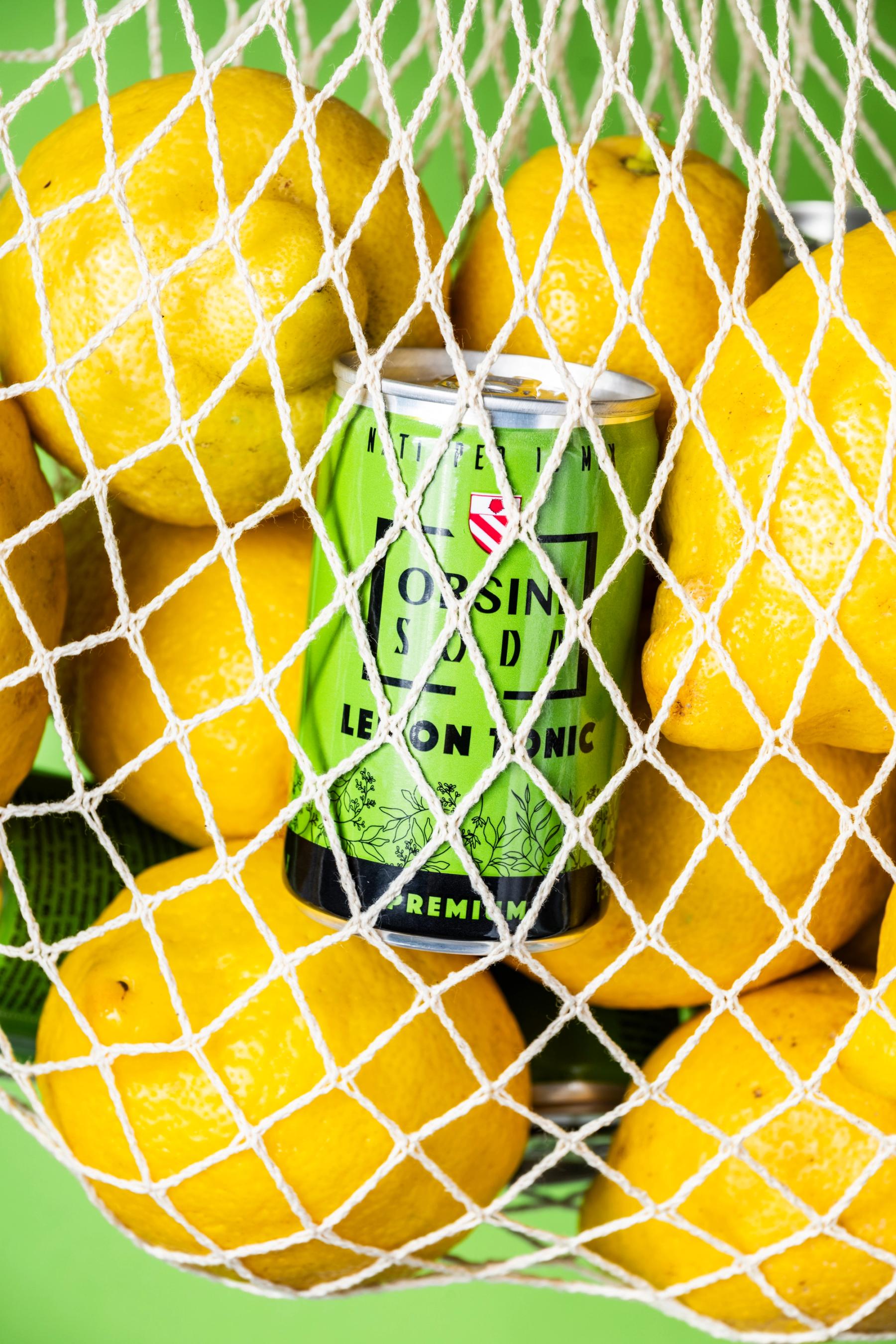
“The Orsini project unequivocally has the local territory and its economy at its beating heart, starting with the fact that most of our employees reside in the small village that hosts us, Poggiorsini. Many of them grew up alongside the brand, making considerable sacrifices, and we are deeply proud of this sense of belonging. Caring for the land is a daily challenge tackled only through commitment, passion, and by empowering the human capital within it. People are central to our mission, and effective management transforms this focus into a genuine competitive advantage. Our vision aims to motivate and inspire through unique, original initiatives, such as our fine-dining line: Black&Platinum. Elegant and essential, it is truly unique and sustainable thanks to its innovative packaging—a returnable glass bottle (RGB) without a paper label, screen-printed to ensure it remains flawless without scuffs or wear over time.”— Antonio Bisceglia
In 2026, the era of KEYBOARD WARRIORS, talking about sustainability is easy; putting it into practice is a whole different story. In an age marked by consumerism and the drive for ever-higher market shares, choosing to pause and build a project with real social impact is a courageous step—one we should all take daily in our own lives.
“Positioning a brand that originated locally but carries a global vision was a strategic choice—an ambitious and demanding journey, yet undeniably original. It was also a clear message as a 'Local Hero': proving that it's possible to develop a bottle that resolves the trade-off between premium image and sustainability. In fact, our Black&Platinum line was the first in the Italian returnable glass water market to introduce an extra-white, screen-printed reference without a paper label. While this required a substantial working capital investment, it was a crucial strategic move for the brand. Consider that removing and reapplying a label every time a returnable bottle comes back to the plant wastes roughly 10 to 12 liters of water per bottle.”— Antonio Bisceglia
Furthermore, we cannot talk about sustainability without talking about glass. Let’s be honest: drinking water from a glass bottle offers a completely different experience, as if our palate—long accustomed to plastic—can instantly discern the difference.
The decision to focus on returnable glass (RGB) stemmed naturally from environmental respect and a desire to capitalize on the regional Apulian market, which suffered from a major deficit between locally produced water and water imported from other Italian regions. While this model is challenging to scale globally, we believe the brand's uniqueness gives it the strength to mitigate current logistics and market headwinds.
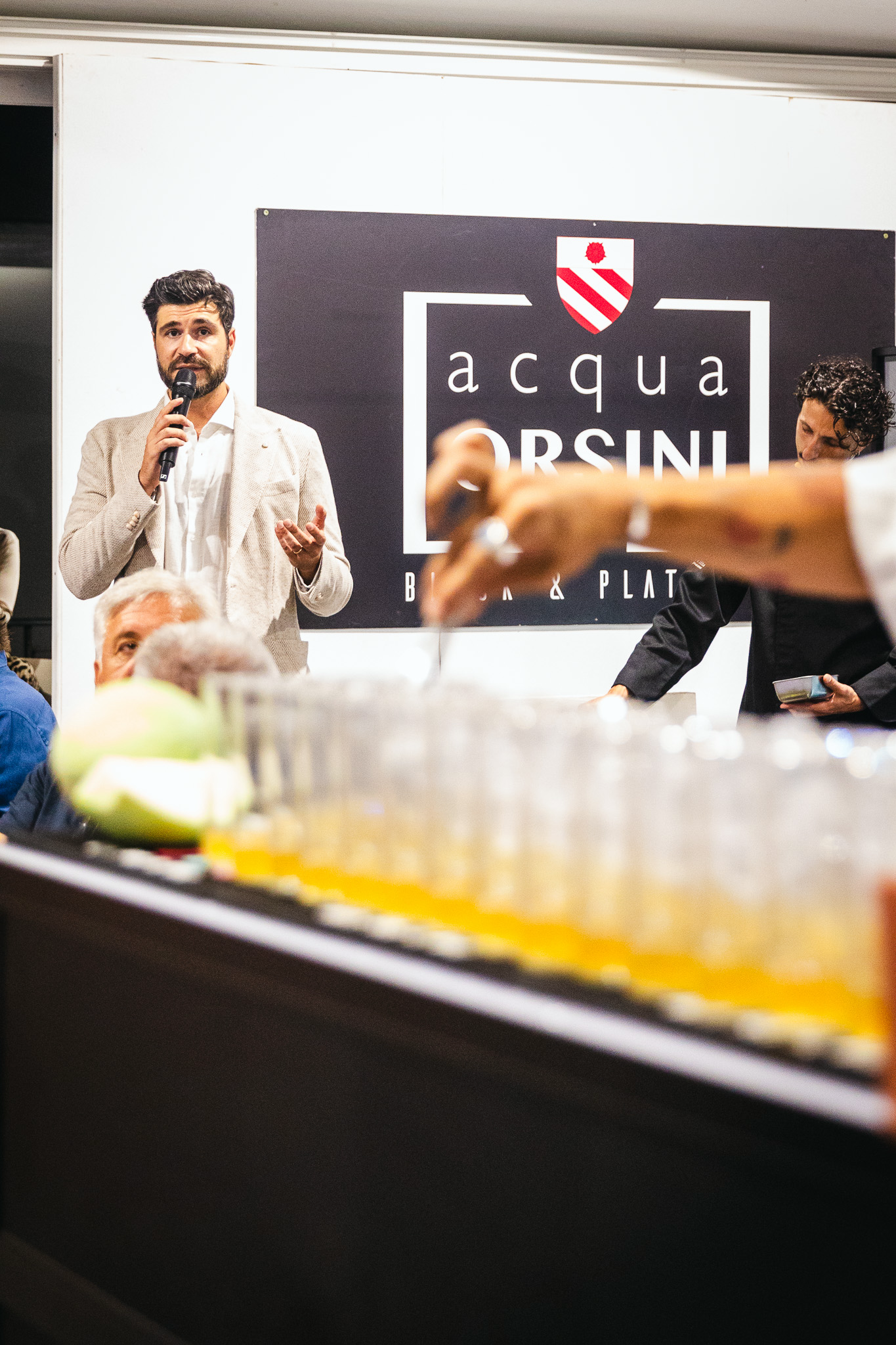
This journey—guided by Antonio Bisceglia (Commercial & Marketing Director of Gruppo Orsini)—through a sector representing 27% to 30% of the total non-alcoholic beverage market revenue, introduced us to an industry that directly impacts our daily lives. Water is a resource we are entirely dependent upon, yet all too often take for granted.
“My initial contribution to the Acqua Orsini venture was my experimental master's thesis, centered precisely on the launch and positioning in Apulia of a mineral water brand distinguished by a strong commitment to environmental sustainability and local economic development, driven by a structured, multichannel, high-value approach. The vision within the company bridges the old and the new, maintaining continuity around core values like transparency, territorial development, and human resources. Rather than a break from the past, I view it as an evolution—particularly in process innovation and communications.”— Antonio Bisceglia
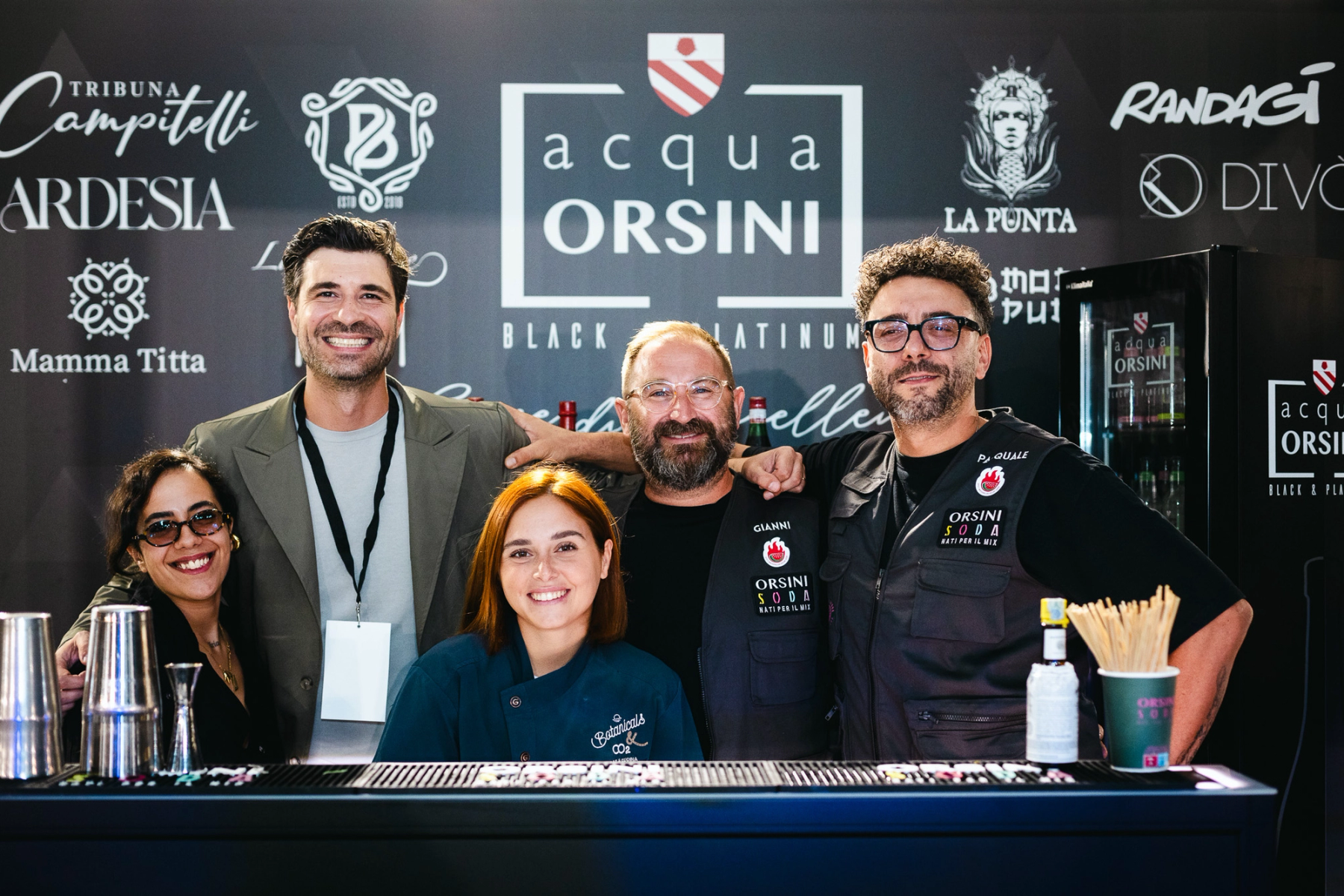
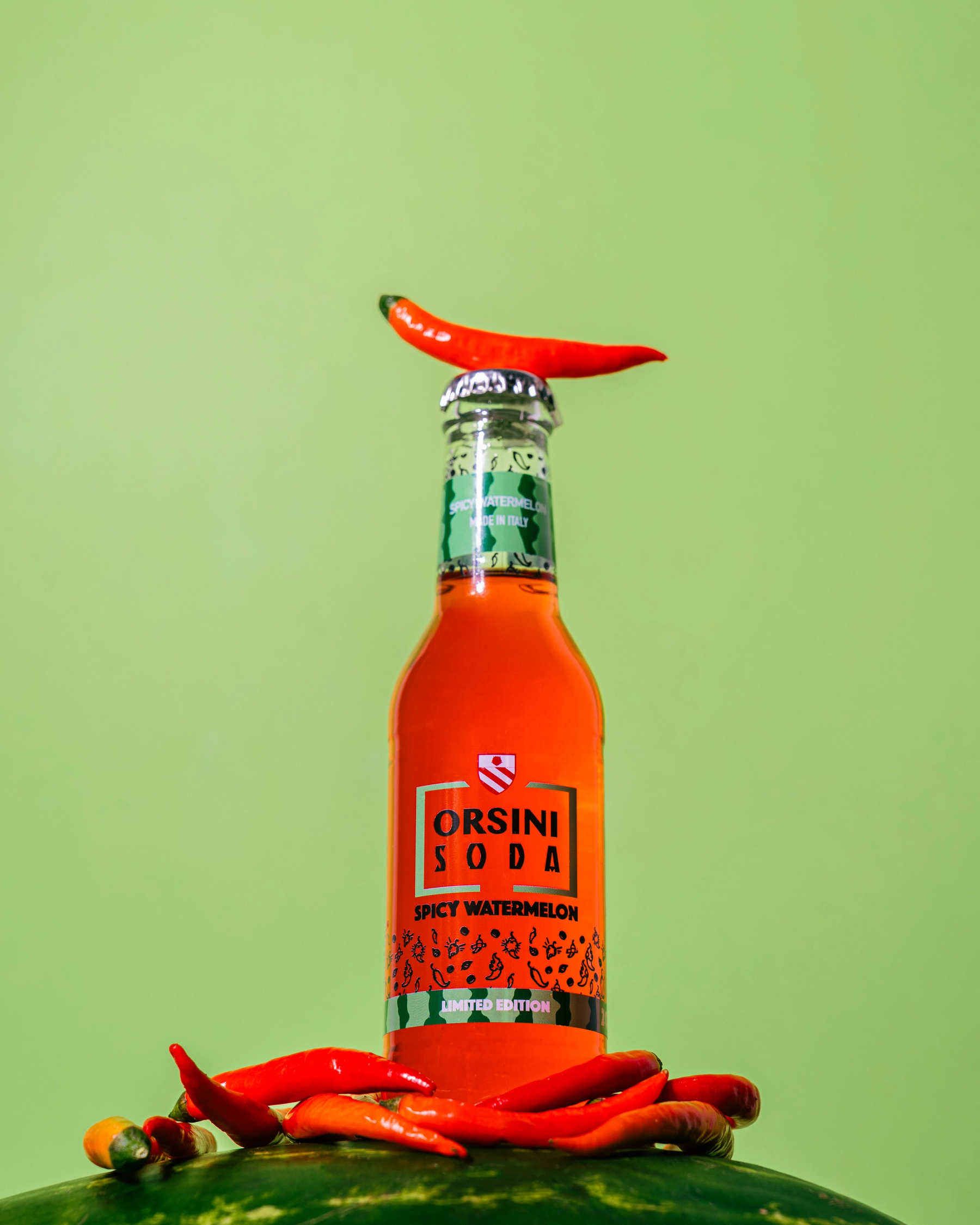
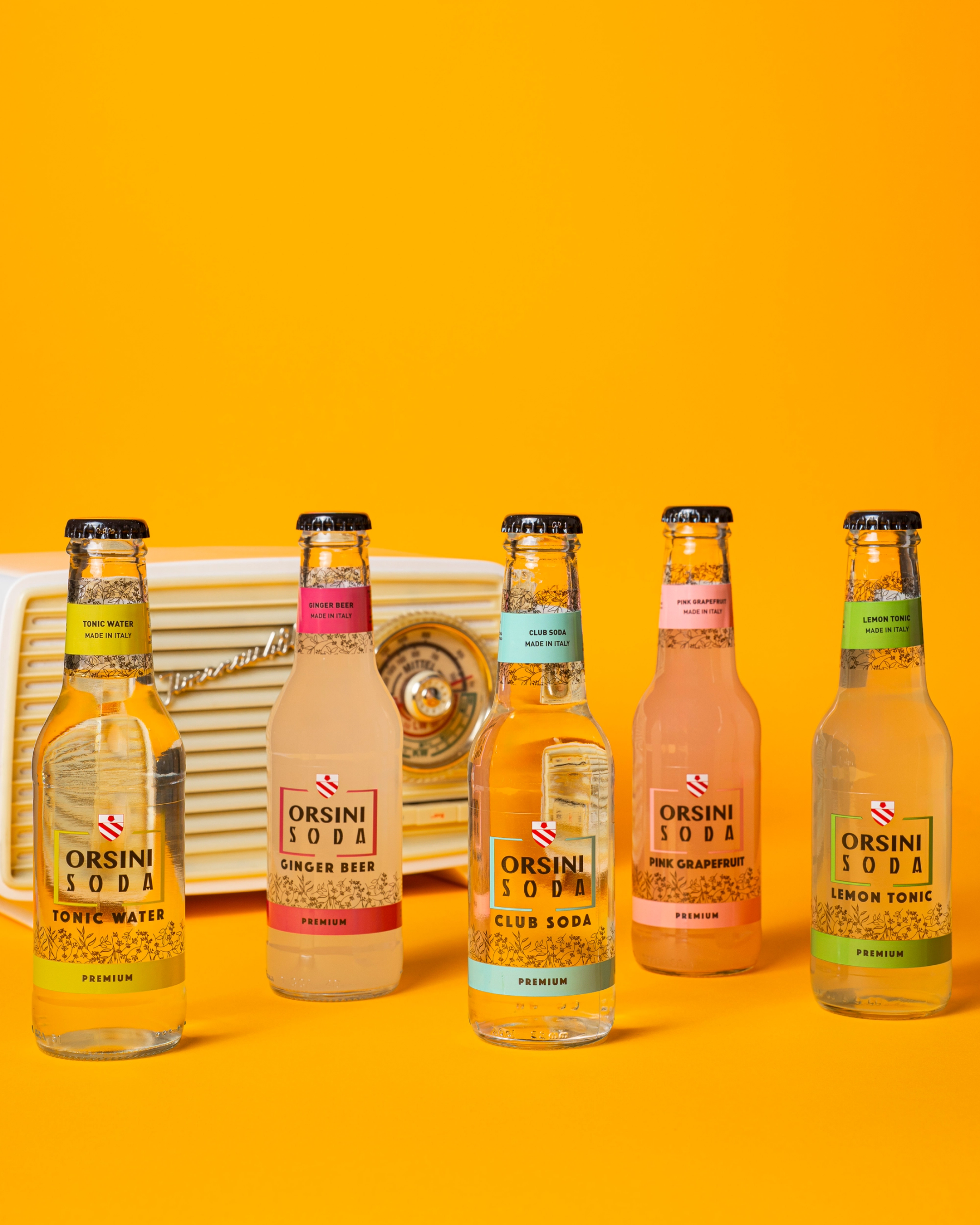
Gruppo Orsini and its team (because companies are made of people) have expanded their sustainability footprint by launching the Orsini Soda project (they didn't reinvent the wheel, but true innovation often lies in refining a proven concept into a comprehensive project).
“The Orsini Soda project was launched to diversify the group’s mineral water portfolio and enhance our value proposition. We now hold two additional mineral water brands—Fonte de' Medici in Tuscany and the historic Bolognese brand Cerelia in Emilia-Romagna. Our goal is to position ourselves as a 360-degree beverage provider, offering a cross-cutting brand that meets evolving consumption occasions. Water quality is crucial to expressing the distinct character and versatility of the Orsini Soda line, each reference offering nuanced differences compared to standard premium mixers on the market.”— Antonio Bisceglia
In the Food & Beverage industry, we are constantly hunting for rare ingredients and eye-catching packaging. Yet perhaps the real revolution of 2026 is putting the world’s oldest raw material back at the center: water.
Because sustainability isn't just a marketing slogan on a label—it is the only way forward to ensure our world thrives, and it’s something we should all care about a little more.